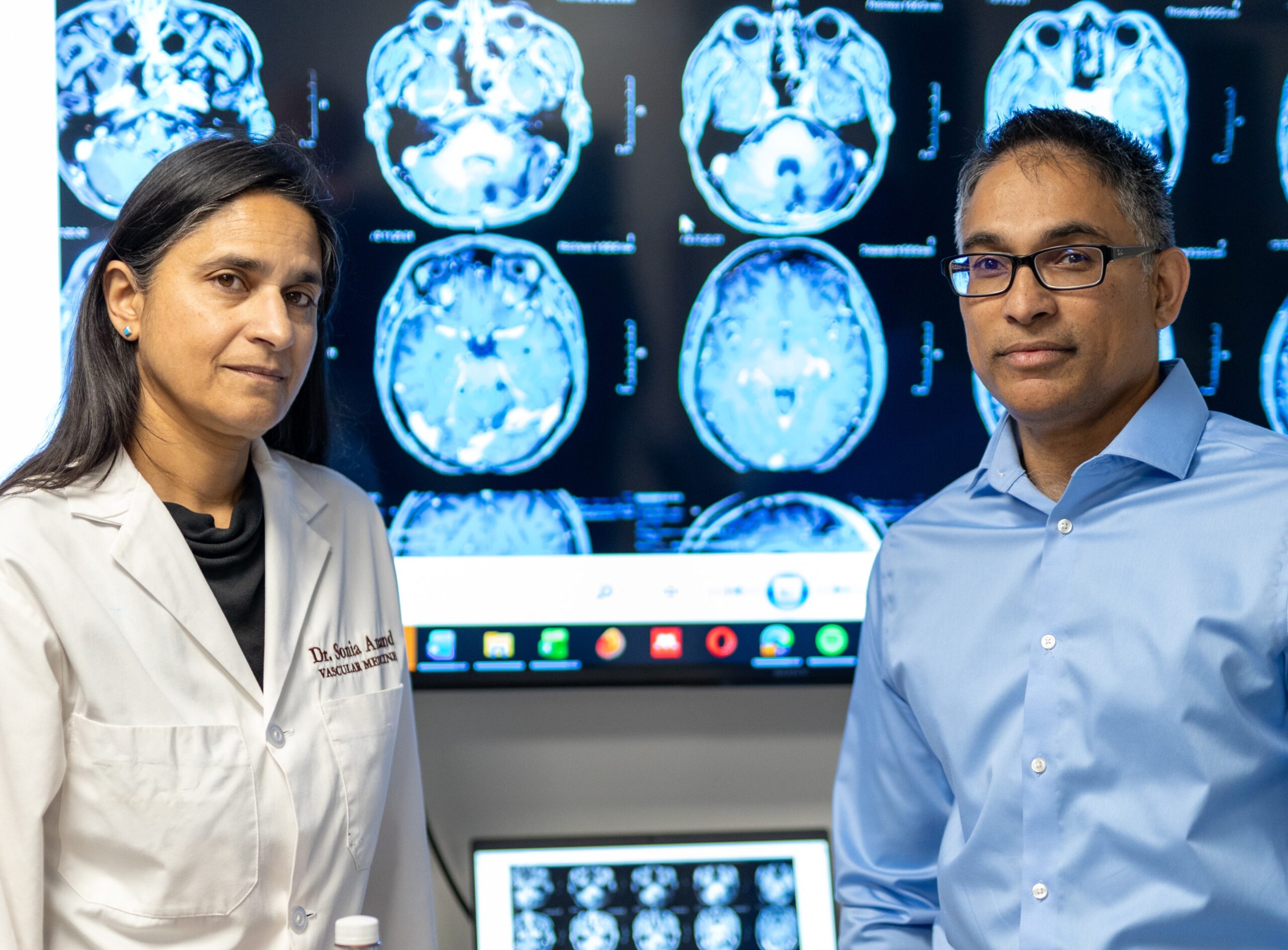
From August 28 to 31 in Munich, Germany, PHRI researchers and trainees contributed to a wide range of scientific sessions at ESC Congress 2026, presenting new findings, leading discussions and sharing expertise in cardiovascular prevention, atrial fibrillation, stroke, heart failure and perioperative medicine.
Sonia Anand, senior scientist, took part in a panel discussion on food systems and policy in cardiovascular prevention, exploring how coordinated policy, health system and prevention efforts can help reduce the burden of cardiovascular disease.
Flavia Borges, scientist, presented two VISION trial substudies at the congress. One examined how a new, highly sensitive troponin T blood test can help identify patients at greater risk of death or major heart complications after noncardiac surgery. The second explored how measuring another heart marker, NT-proBNP, after surgery can improve doctors’ ability to predict outcomes in patients who experience hidden heart injury.
Jeff Healey, senior scientist, shared insights on whether oral anticoagulation can be safely discontinued following successful atrial fibrillation ablation. The discussion examined whether maintaining sinus rhythm after ablation justifies withdrawing long-term anticoagulation and explored the residual risk of thromboembolic events despite successful treatment.
Darryl Leong, senior scientist and principal investigator of the RADICAL PC 2 trial, shared findings from the large international study which found that routine referrals to an internist or cardiologist improved cholesterol levels, but did not lead to fewer heart attacks, strokes, heart failure or cardiovascular deaths. The findings were simultaneously published in JAMA Internal Medicine.
David Conen, senior scientist, chaired session on new challenges and solutions in atrial fibrillation; smarter perioperative cardiovascular risk assessment via biomarkers, atrial fibrillation, and digital tools; and stroke in atrial fibrillation. Conen also shared updates about ASPIRE-AF, currently recruiting participants, at the AF-SCREEN International Collaboration annual meeting.
John Eikelboom, senior scientist, contributed to the congress as a speaker and expert panelist, participating in sessions on antithrombotic therapy, stroke prevention, and direct oral anticoagulant monitoring and reversal.
Silvia Maiorano, research fellow, shared findings from a pooled analysis of VISION and POISE-3 on prognostic role of a preoperative troponin elevation in patients undergoing urgent or emergency noncardiac surgery.
William McIntyre, scientist, shared findings from a VISION Cardiac Surgery Cohort study examining the association between female sex and adverse clinical outcomes in patients with new-onset post-operative atrial fibrillation.
McIntyre and PHRI summer student Rubani Suri also attended the AF-B-STEP 2nd Steering Committee Meeting, where Suri shared updates on PHRI’s work within the initiative and discussed the role of wearables in measuring atrial fibrillation burden.
Shamir Mehta, senior scientist, contributed to a roundtable on resource-constrained care and variability in global cardiology practice, discussing differences in guideline implementation worldwide.
Pascal Meyre, scientist, presented an abstract entitled “Epigenetic Scores and Aging Clocks Capture Mortality Risk in Heart Failure” during a session focused on the future of heart failure care, including artificial intelligence, biomarkers, early detection and emerging approaches to risk prediction.
Mike Sharma, senior scientist, contributed to several sessions focused on stroke prevention and antithrombotic therapy. He spoke on the role of factor XI inhibition in clinical trials during a symposium on the future of stroke prevention, and participated in an expert discussion and Q&A session. Sharma also presented late-breaking research from the OCEANIC-STROKE trial examining the use of dual antiplatelet therapy during the first 90 days after randomization and its interaction with asundexian.
Ashkan Shoamanesh, senior scientist, presented findings from the ENRICH-AF trial, which evaluated edoxaban in survivors of intracranial hemorrhage with atrial fibrillation, during a Hot Line session at ESC Congress 2026. The study found that edoxaban did not reduce stroke or systemic embolism and increased major bleeding, highlighting the need for safer and more individualized approaches to stroke prevention in this high-risk population.
Shoamanesh also participated in a symposium on secondary stroke prevention, discussing the implications of the OCEANIC-STROKE trial for developing safer antithrombotic strategies and joining an expert Q&A session on the topic.
Harriette Van Spall, senior scientist, played a leading role in several sessions at ESC Congress 2026, serving as a chairperson, speaker and discussant. She contributed to discussions on artificial intelligence in cardiovascular care, investigator-initiated research and heart failure management, and served as a discussant for the ADHERE-ASCVD Hot Line presentation. Van Spall also spoke on the use of real-world healthcare data to improve heart failure care and highlighted the impact of social, age and gender determinants on stroke outcomes and health equity.
Photo gallery: PHRI in Munich
-
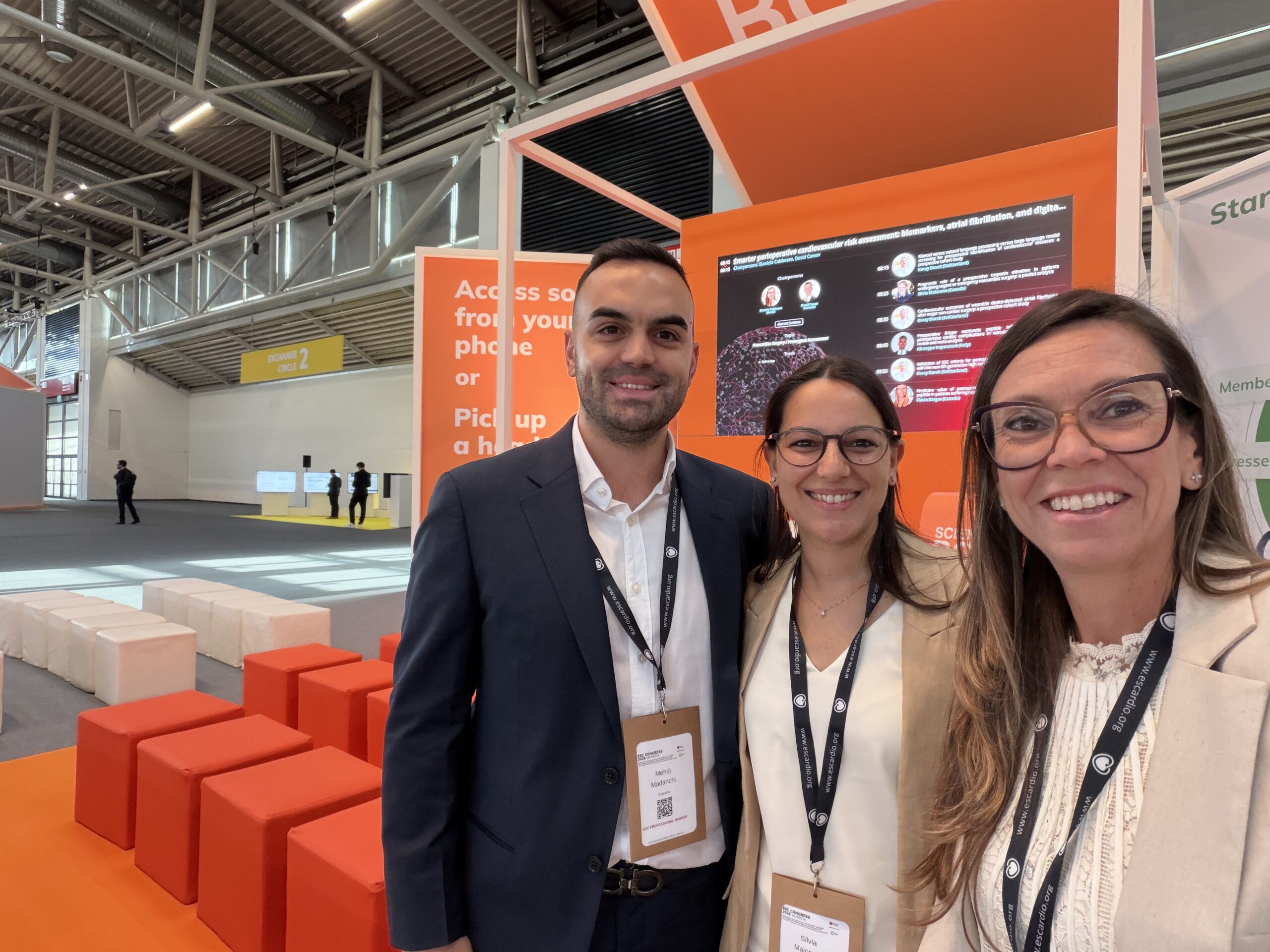
- L to R: research fellow Mehdi Madanchi, Maiorano, Borges
-
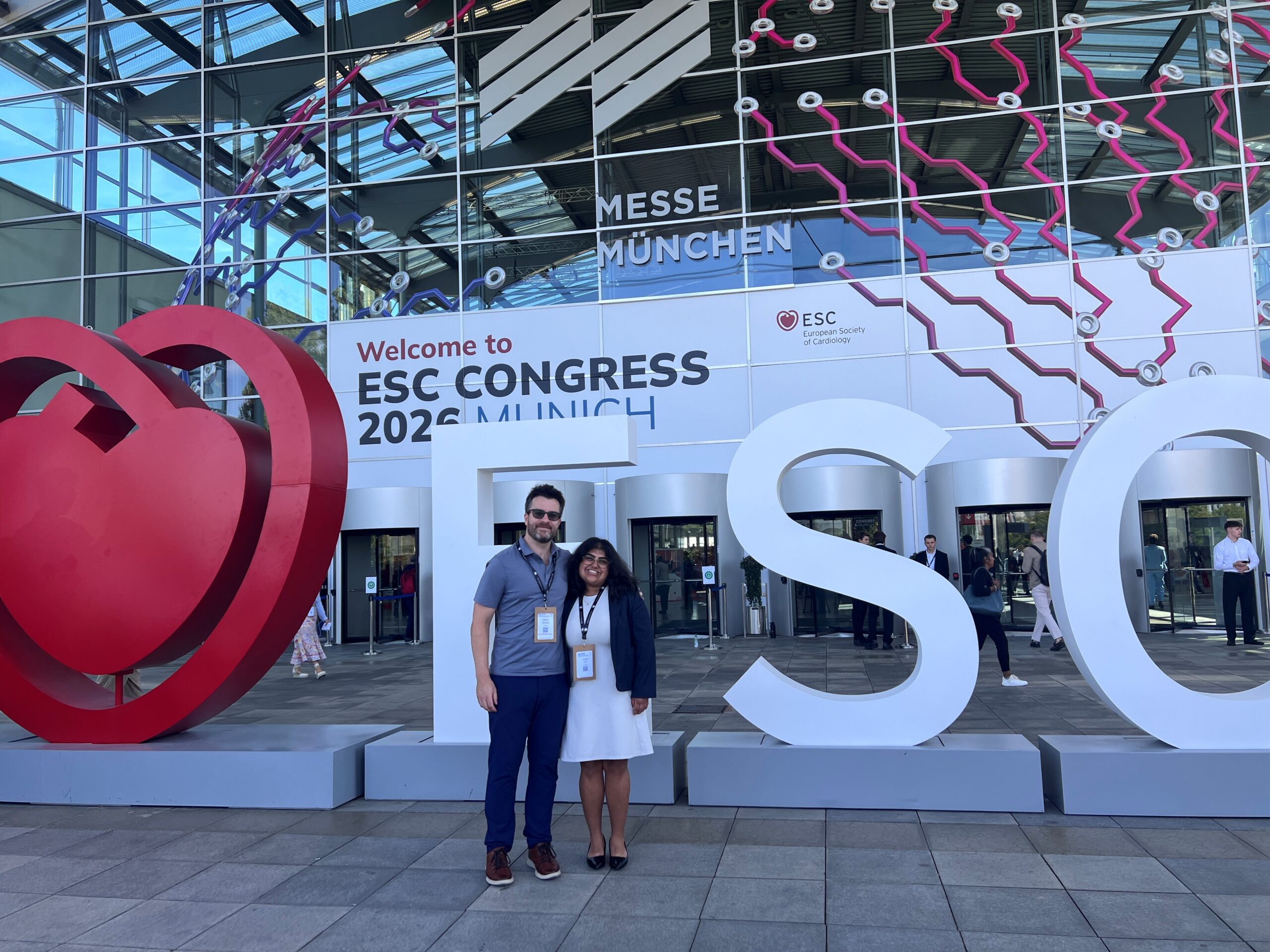
- L to R: McIntyre, Suri
-
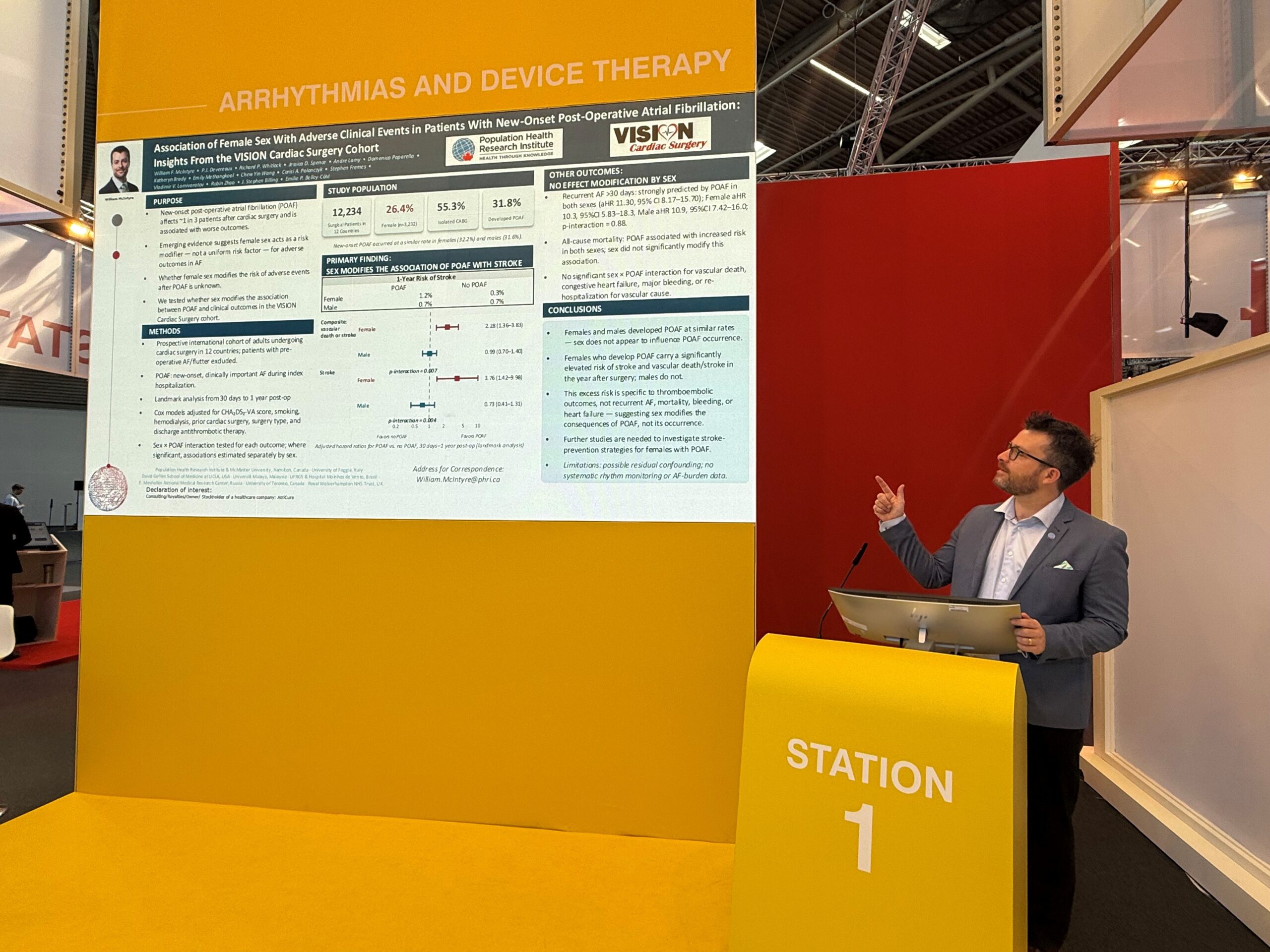
- McIntyre presenting at the Congress
-
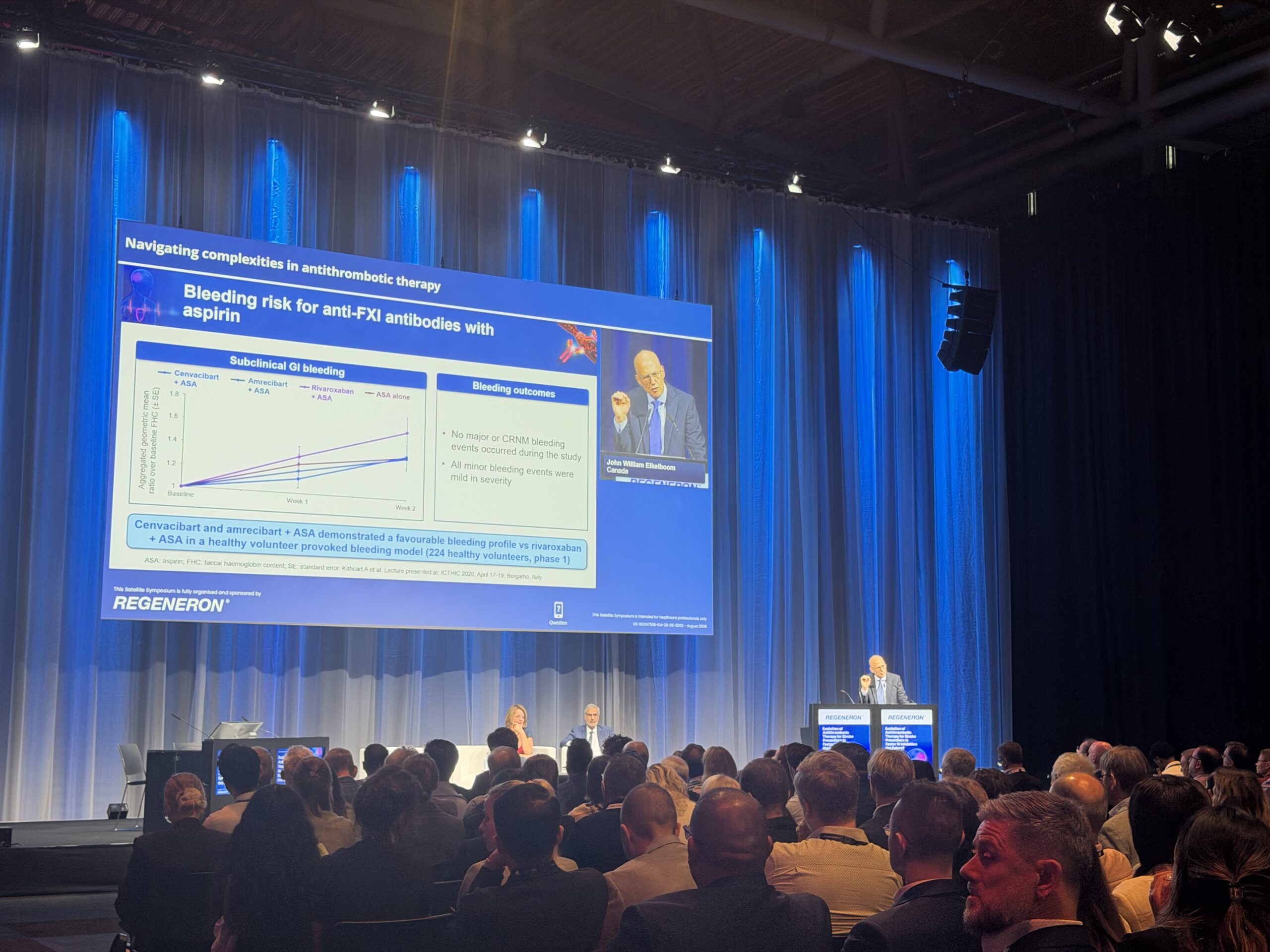
- Eikelboom chairing a session.
-
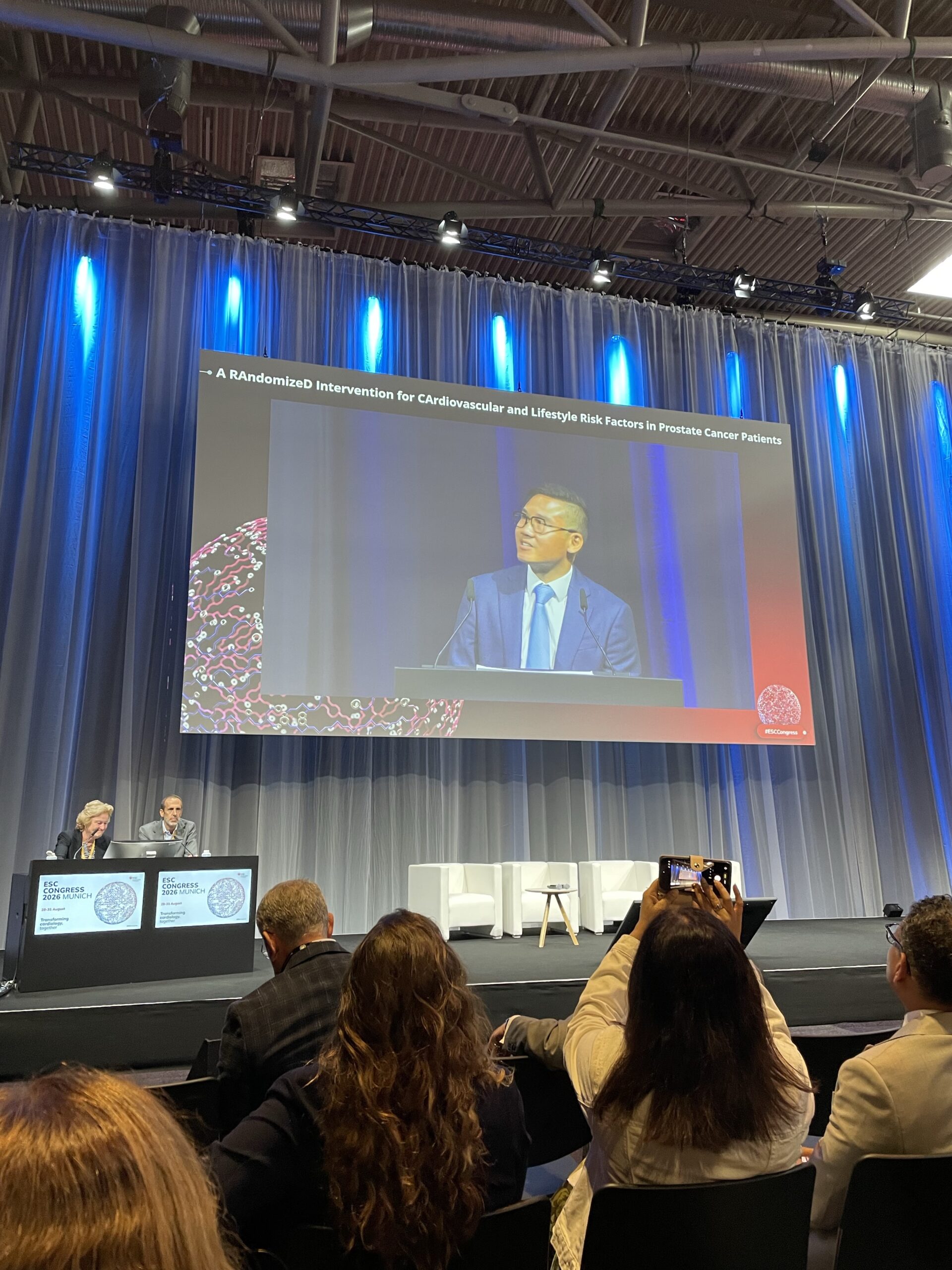
- Leong presenting findings from RADICAL PC-2
-
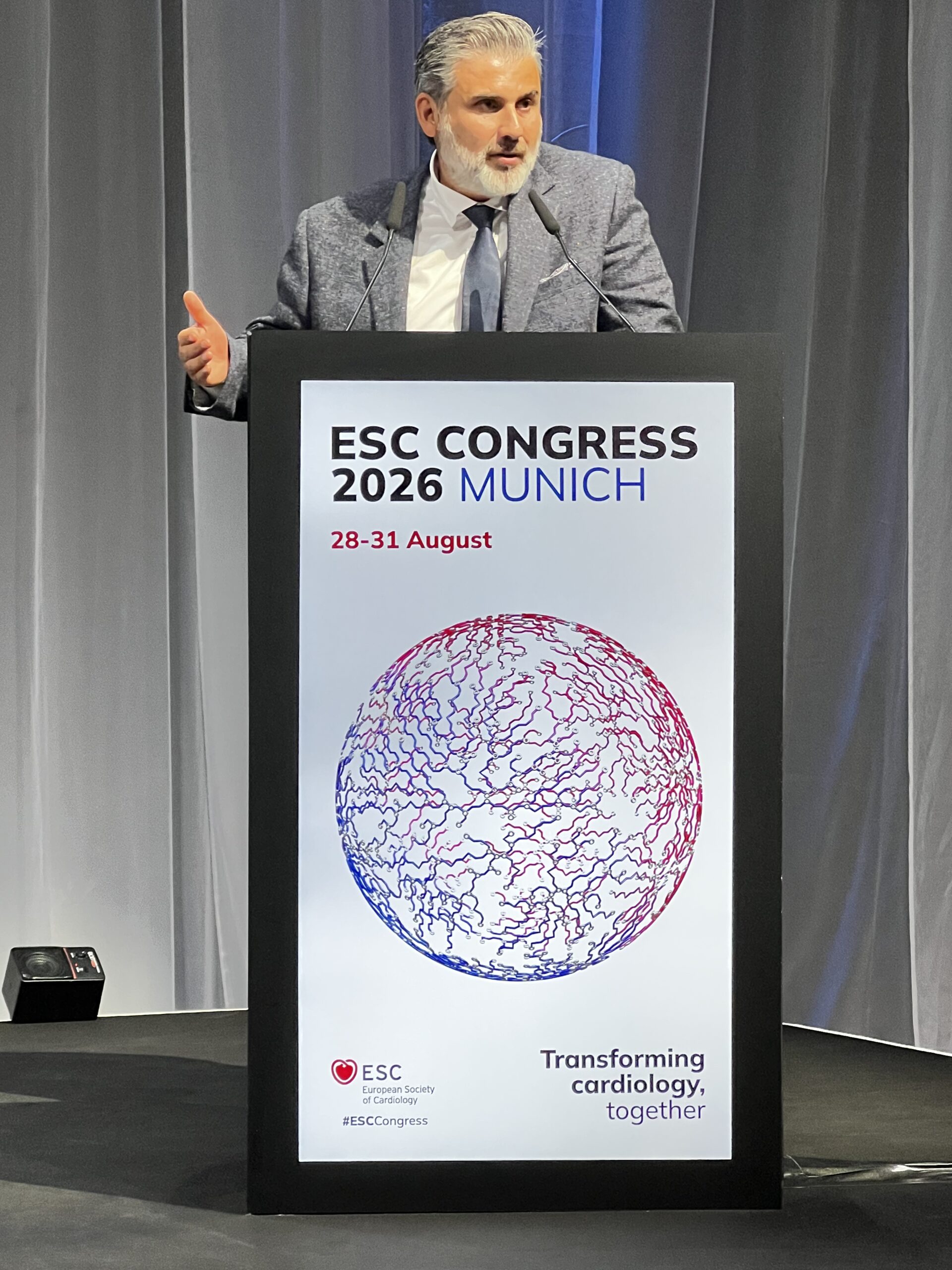
- Shoamanesh at the Congress
-
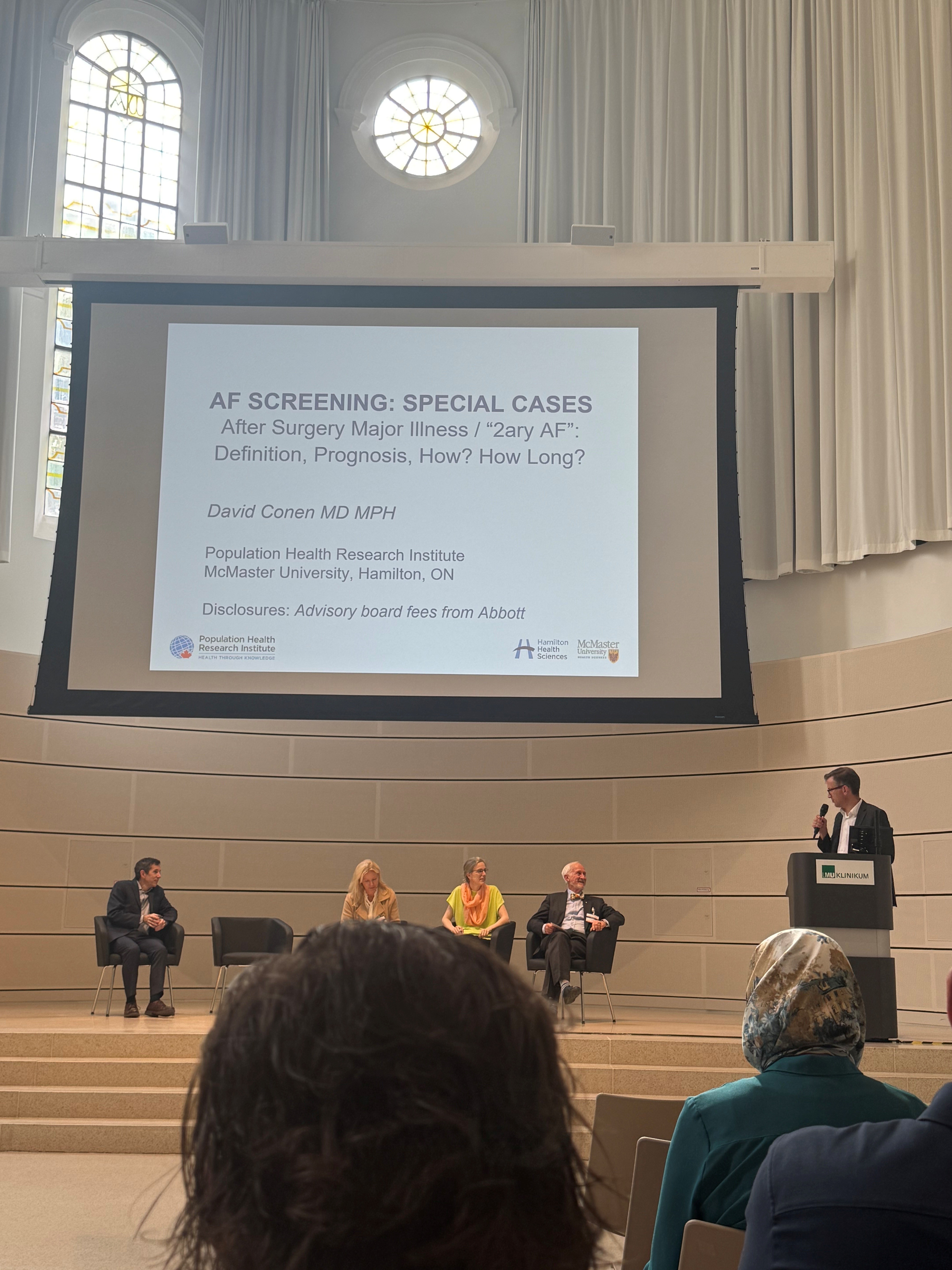
- Conen presenting about ASPIRE-AF
-
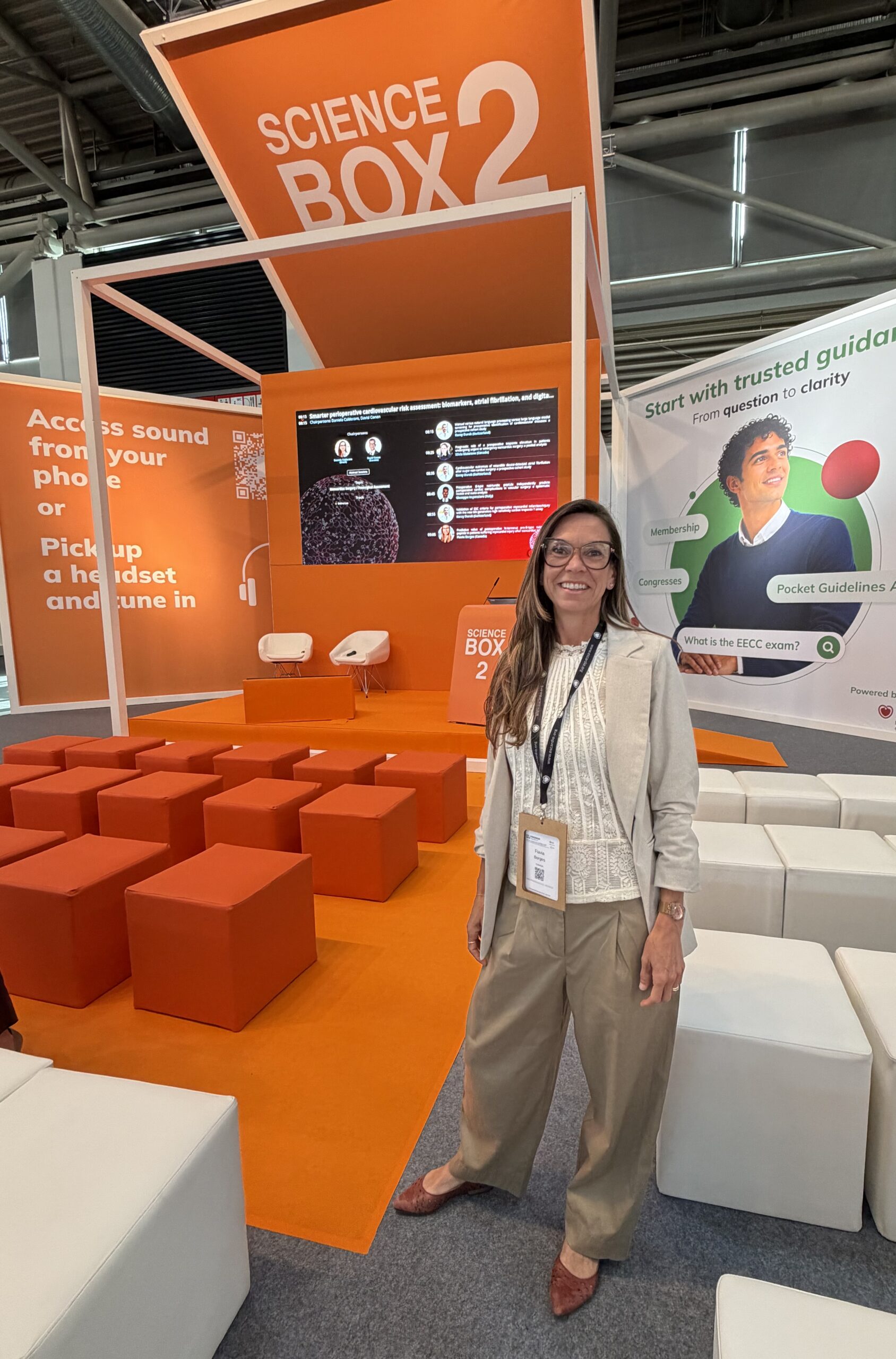
- Borges