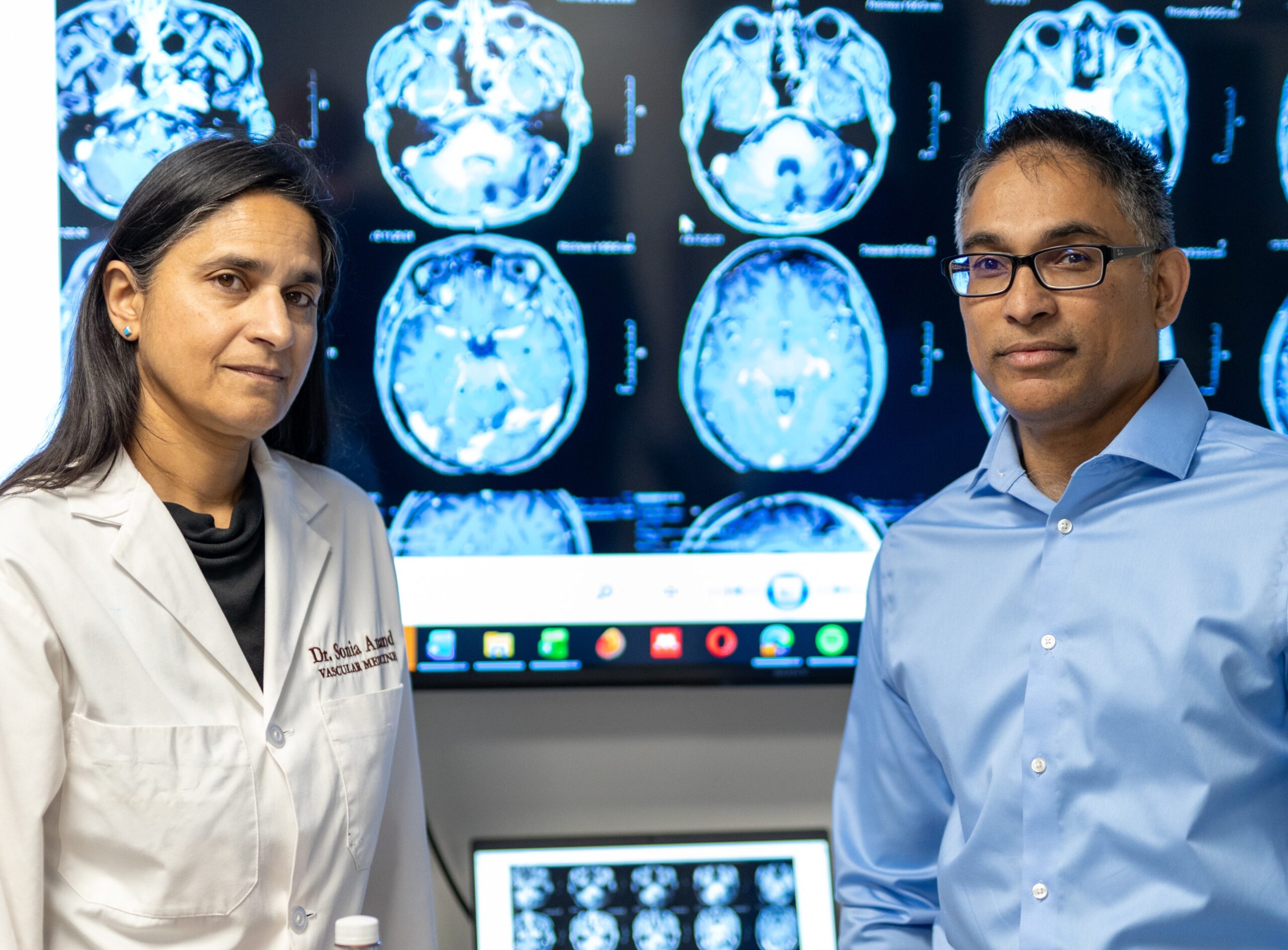
PHRI researchers, staff, and research fellows took part in this year’s Building Bridges Symposium, sharing their work alongside colleagues from across the health research community. Hosted by Hamilton Health Sciences on May 12, the event featured a mix of presentations and posters highlighting research around personalized medicine.
Guillaume Paré, senior scientist, shared insights from a large-scale study leveraging data from the UK Biobank and the PURE study. His presentation explored how genetics, epigenetics, and proteomics contribute to global cardiovascular disease, highlighting the power of integrated population-level data in uncovering disease mechanisms.
J.D. Schwalm, scientist, followed with a presentation focused on optimizing access to cardiac investigations. He highlighted the CarDIA-AI trial, a randomized controlled study examining the use of artificial intelligence to improve patient outcomes while reducing the cost of cardiac investigations. Findings from the trial are expected to be published in summer 2026.
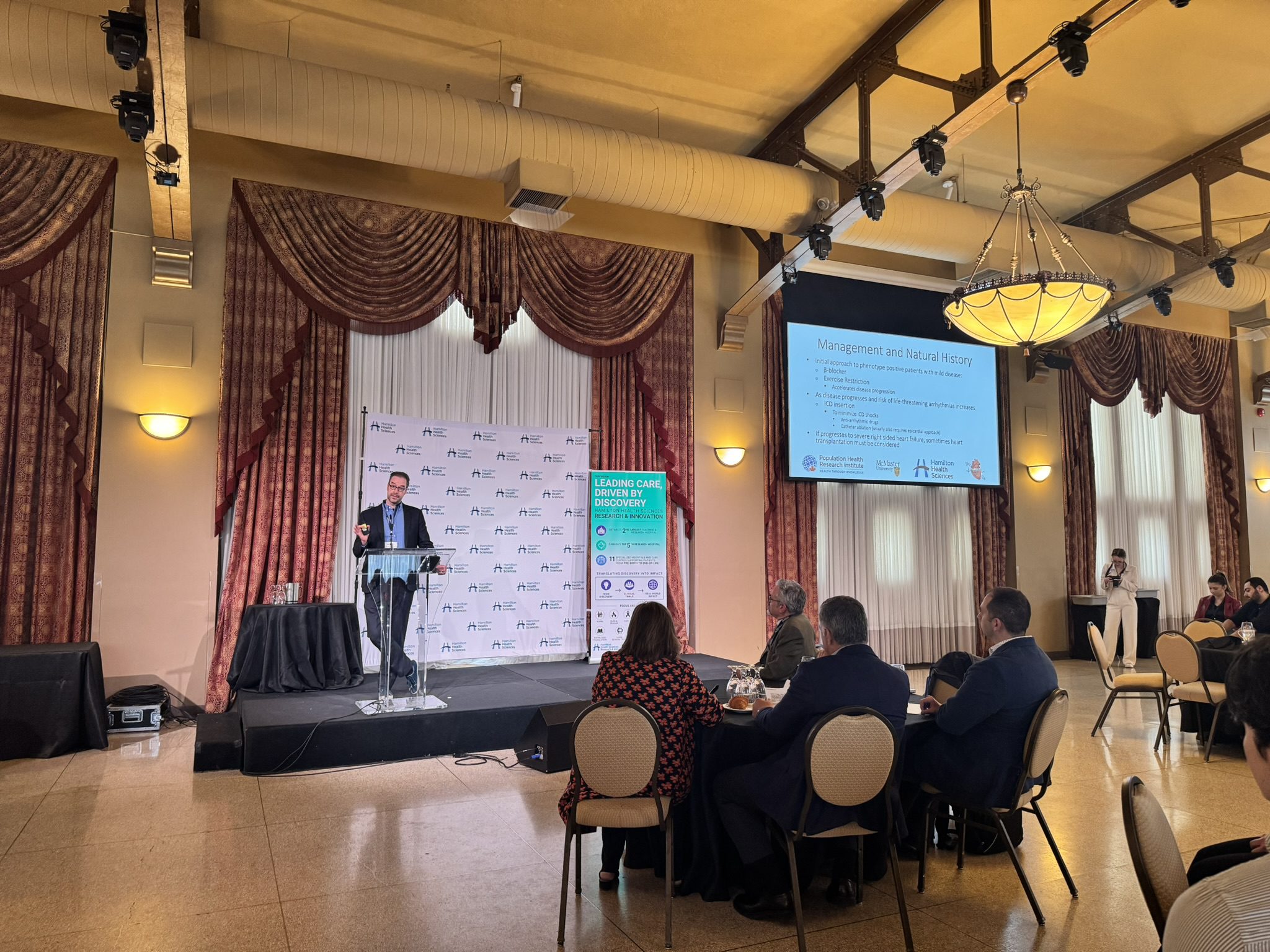
Jason Roberts, scientist, presented on the TaRGET trial (Development and Evaluation of a Precision Medicine for Arrhythmogenic Cardiomyopathy), outlining progress in advancing precision medicine approaches for patients with inherited heart disease.
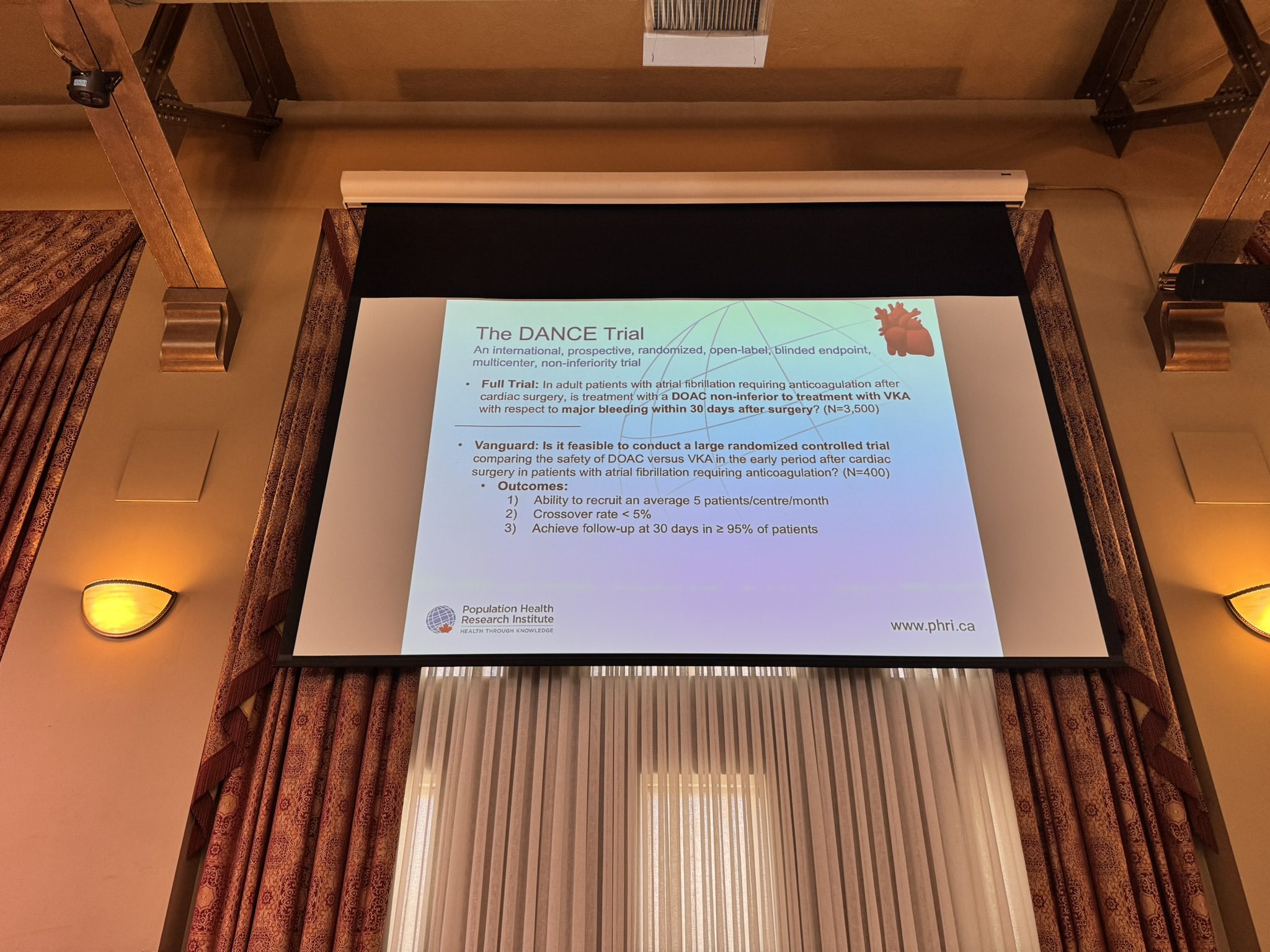
Pyper Olver, research project coordinator with the cardiac surgery department at PHRI, shared results from the vanguard phase of the DANCE trial, along with updates on the ongoing full trial, which is currently in the recruitment phase. DANCE is an international randomized trial comparing the safety of direct oral anticoagulants versus vitamin K antagonists in the first 30 days following cardiac surgery in patients who require oral anticoagulation.
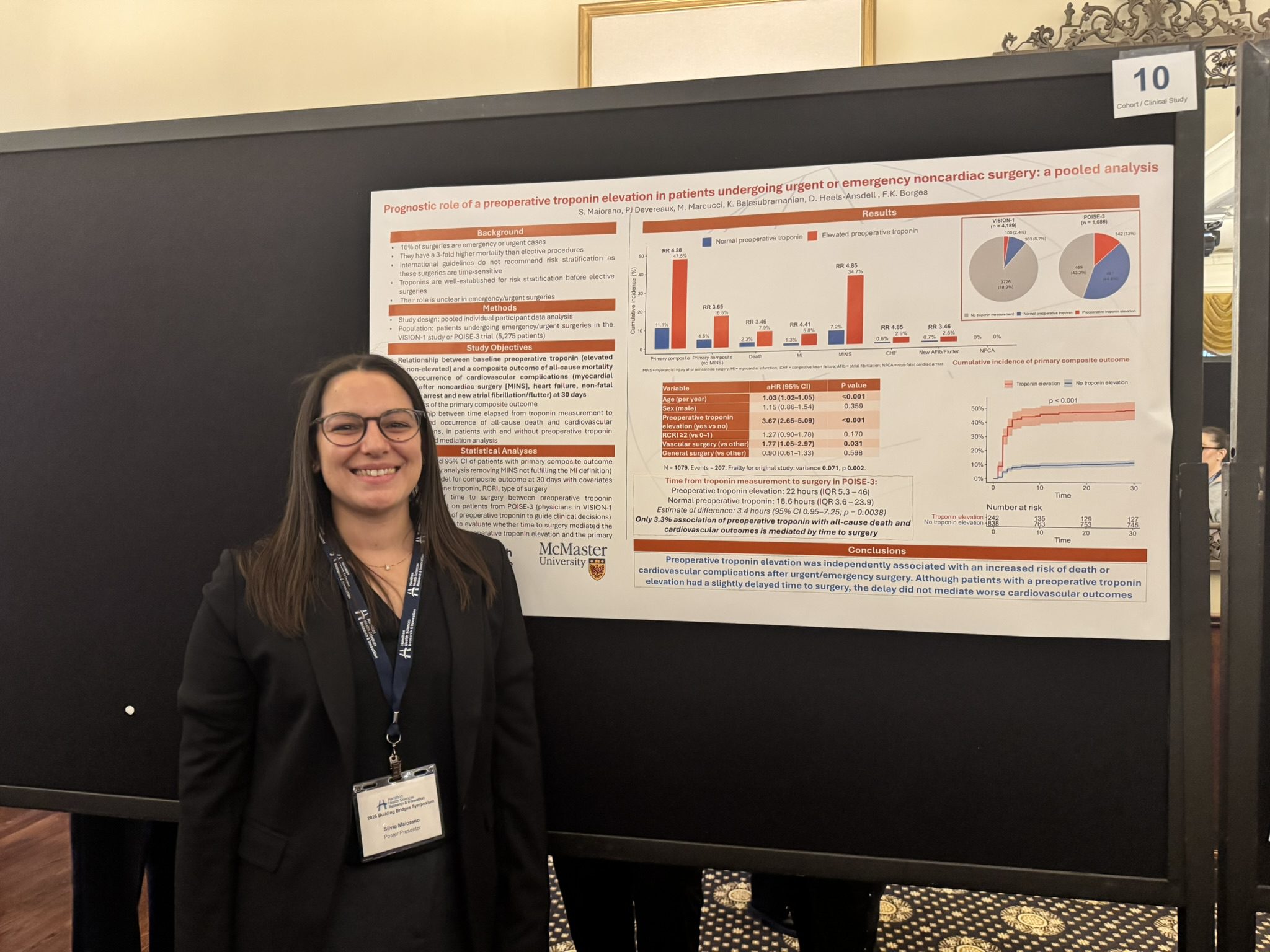
Silvia Maiorano, research fellow, presented a poster titled “Prognostic role of a preoperative troponin elevation in patients undergoing urgent or emergency non-cardiac surgery: a pooled analysis.” The study included patients undergoing emergency surgery in the VISION-1 study and POISE-3 trial, examining the relationship between baseline preoperative troponin levels and a composite outcome of death, myocardial injury after non-cardiac surgery (MINS), heart failure, atrial fibrillation, and non-fatal cardiac arrest at 30 days.
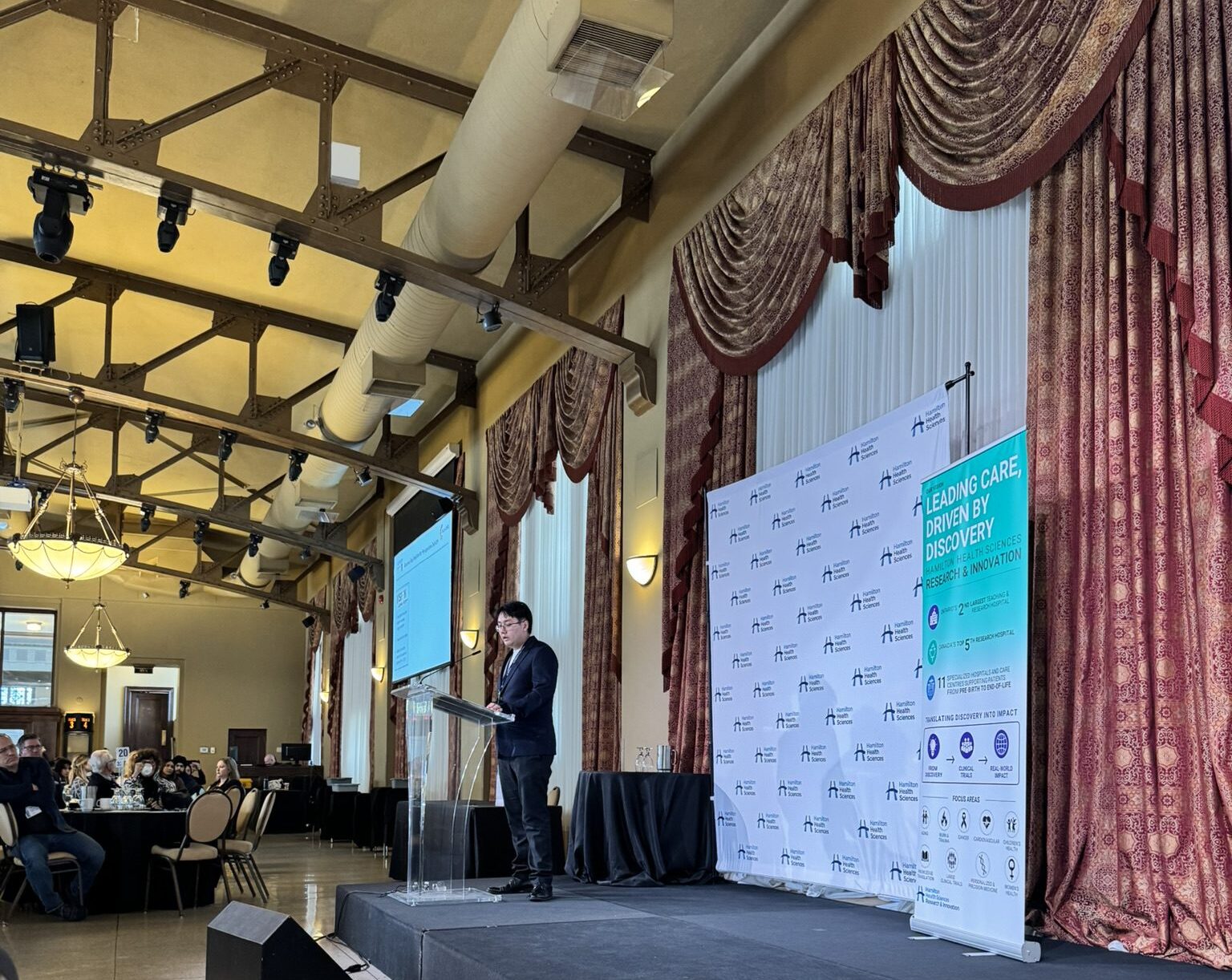
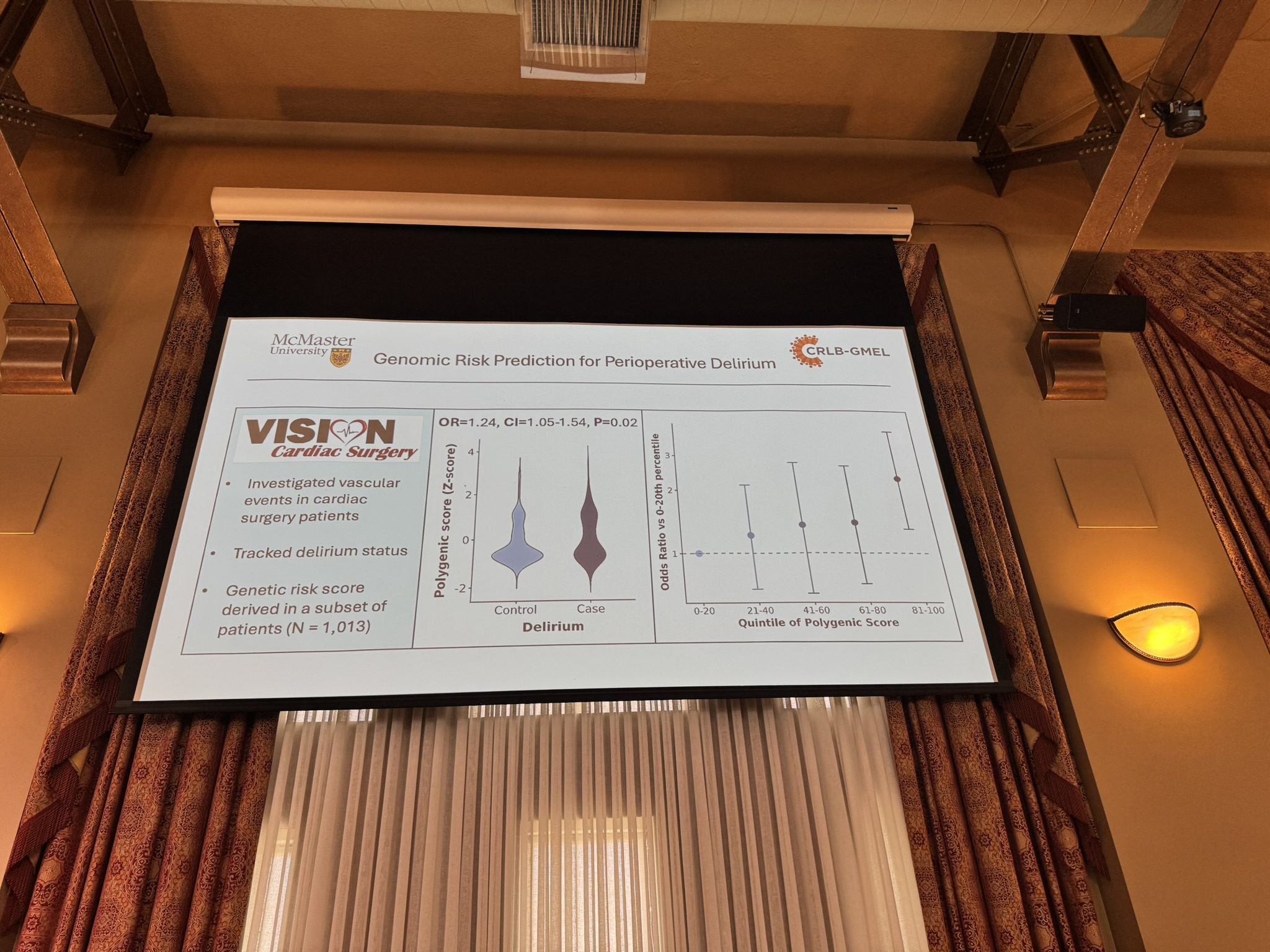
The symposium also featured presentations by MD candidates working with PHRI researchers. Geethan Baskaran, supervised by senior scientist David Conen, presented an analysis of the SWISS‑AF cohort examining the association between serum neurofilament light chain levels and adverse cardiovascular outcomes in patients with atrial fibrillation. Tylor Dong, supervised by investigator Michael Chong, presented work on genomic risk prediction for perioperative delirium, using data from the VISION Cardiac Surgery trial.
Celebrating Award Winners
Aristeidis Katsanos received the VPRI Rising Star Award. Katsanos is the principal investigator of CoVasc‑ICH 2 and co‑principal investigator of HoBIT and LEAST at PHRI. His work focuses on neurosonology and the evaluation of new therapies in acute stroke, and he has published more than 300 papers while securing over $8 million in public research funding.
The event wrapped up with the announcement of poster presentation awards, with Olver and Baskaran recognized among the speaker competition winners.
PHRI’s participation at this year’s symposium highlights its continued commitment to innovation in healthcare and to improving how major health challenges are diagnosed, prevented, and treated.
-
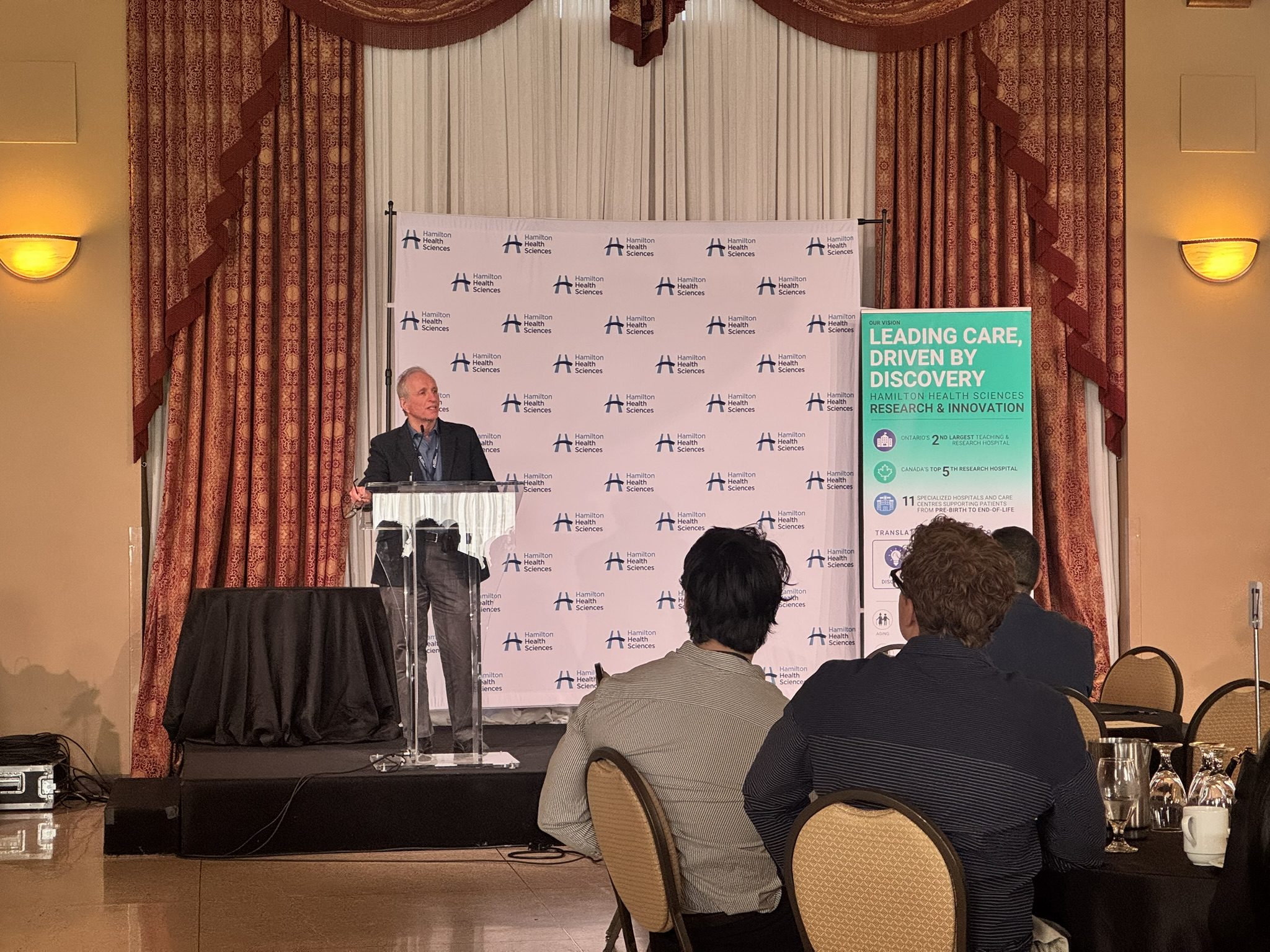
- Hertzel Gerstein
-
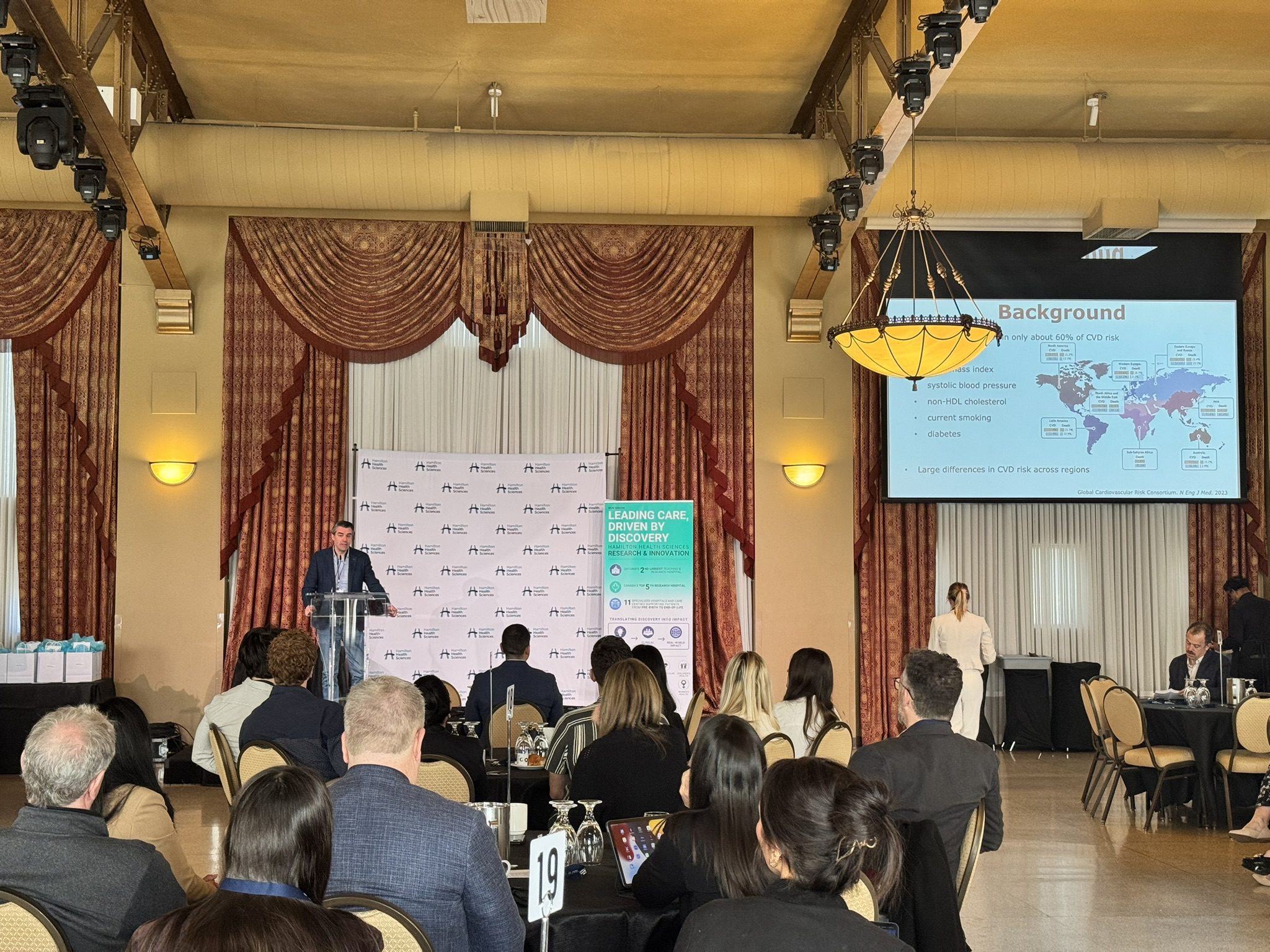
- Guillaume Paré
-
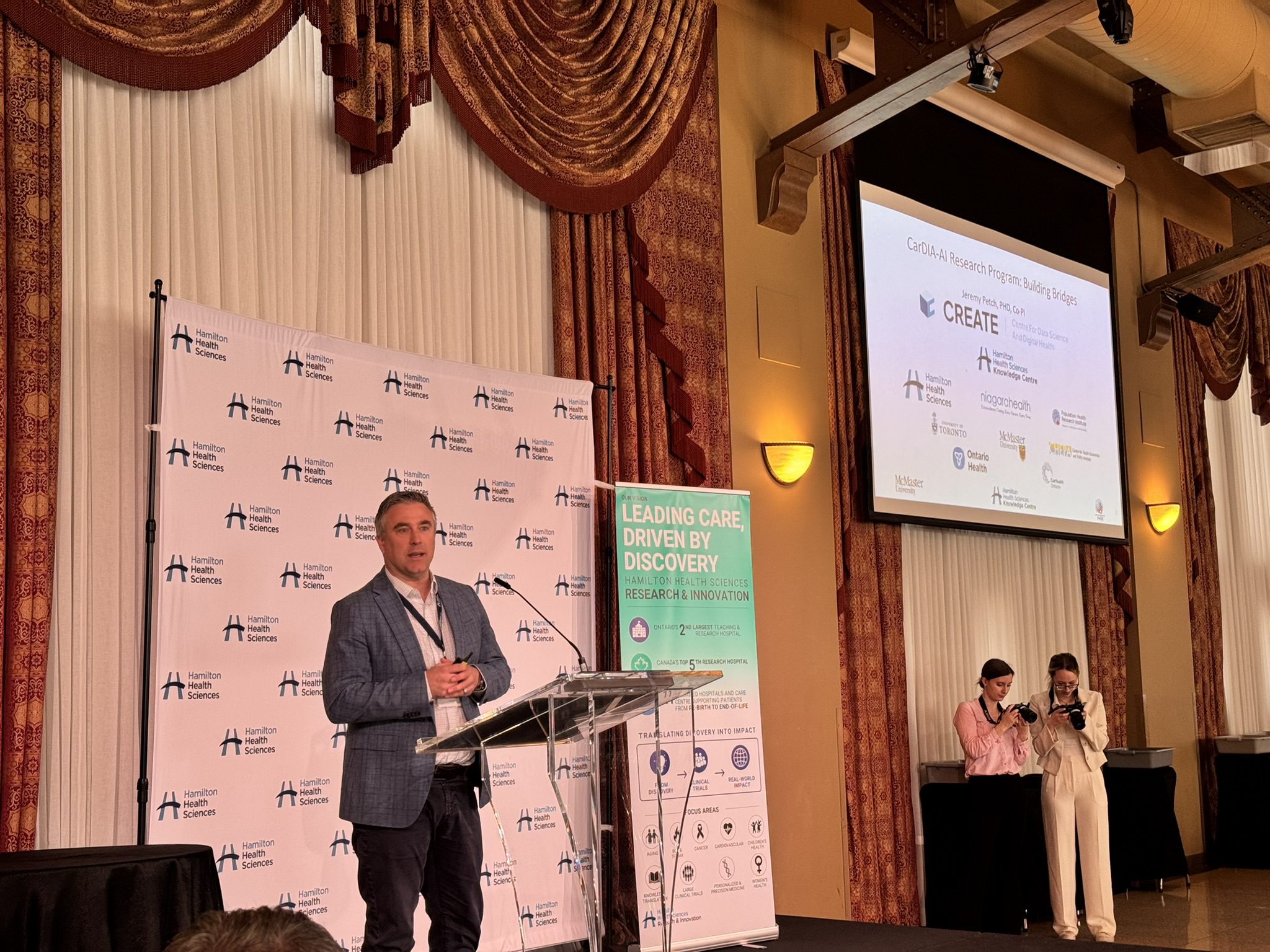
- J.D. Schwalm
-
- Jason Roberts
-
- Silvia Mairona
-
- Tyler Dong
-
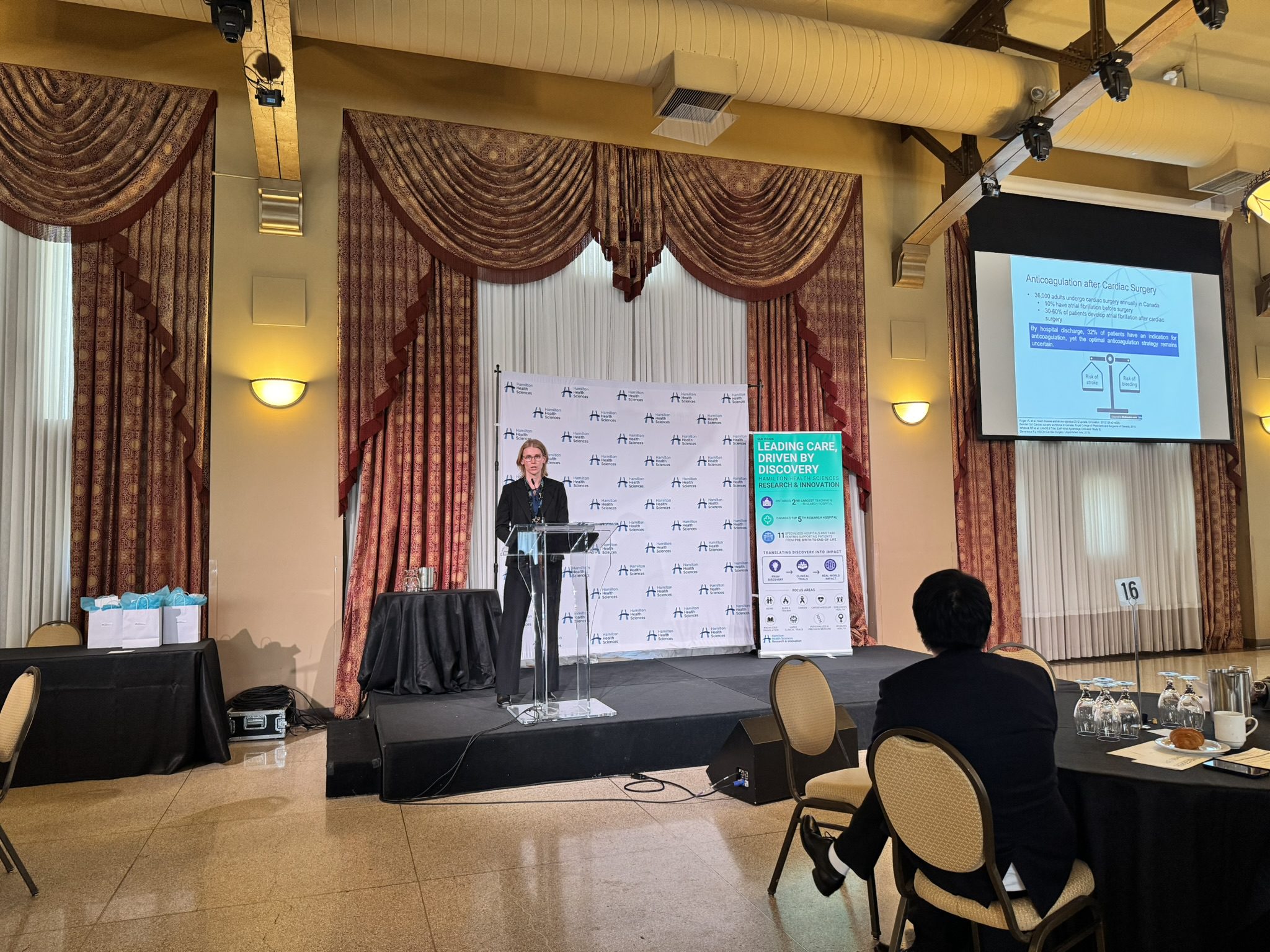
- Pyper Olver
-
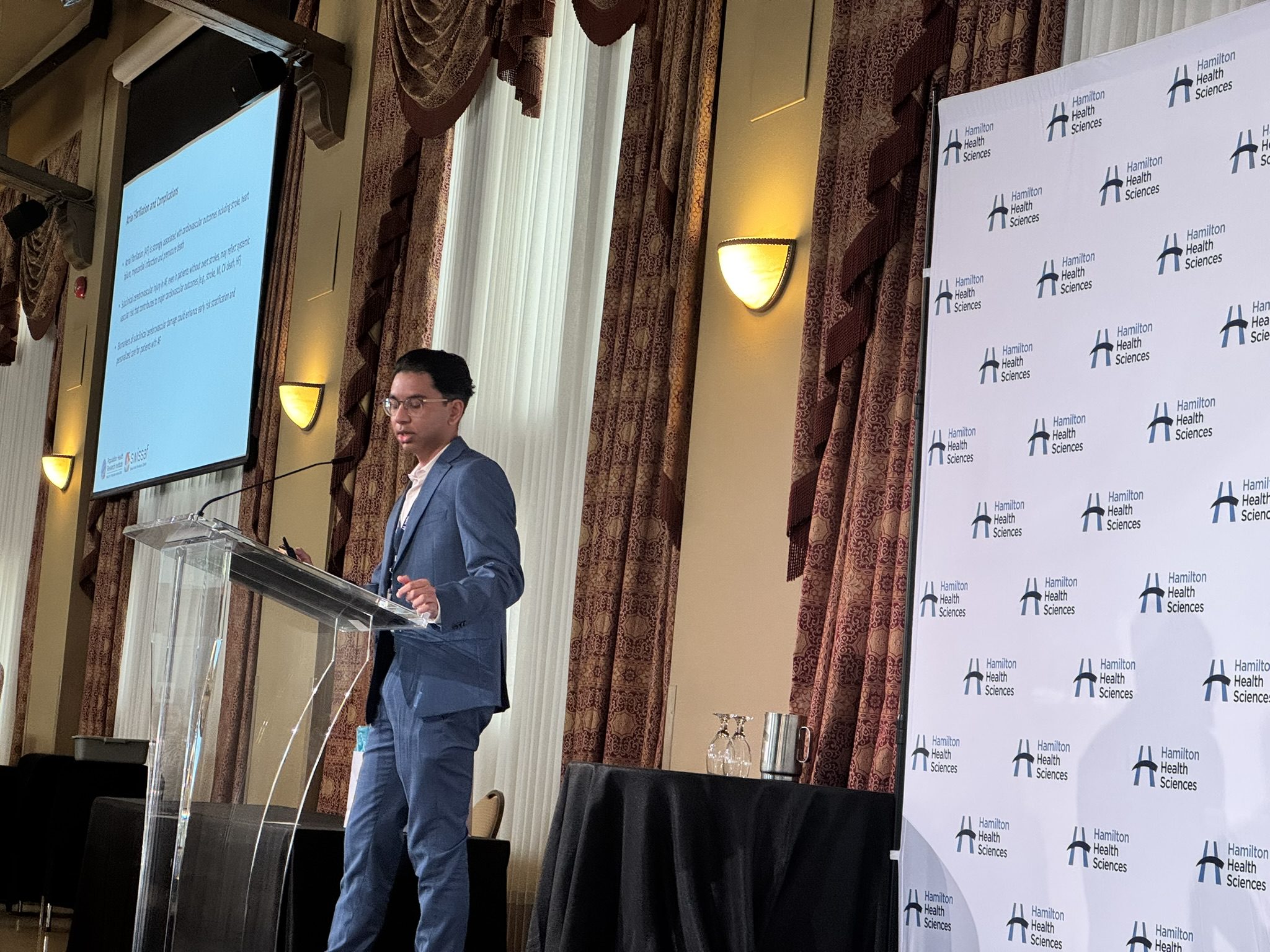
- Geethan Baskaran
-
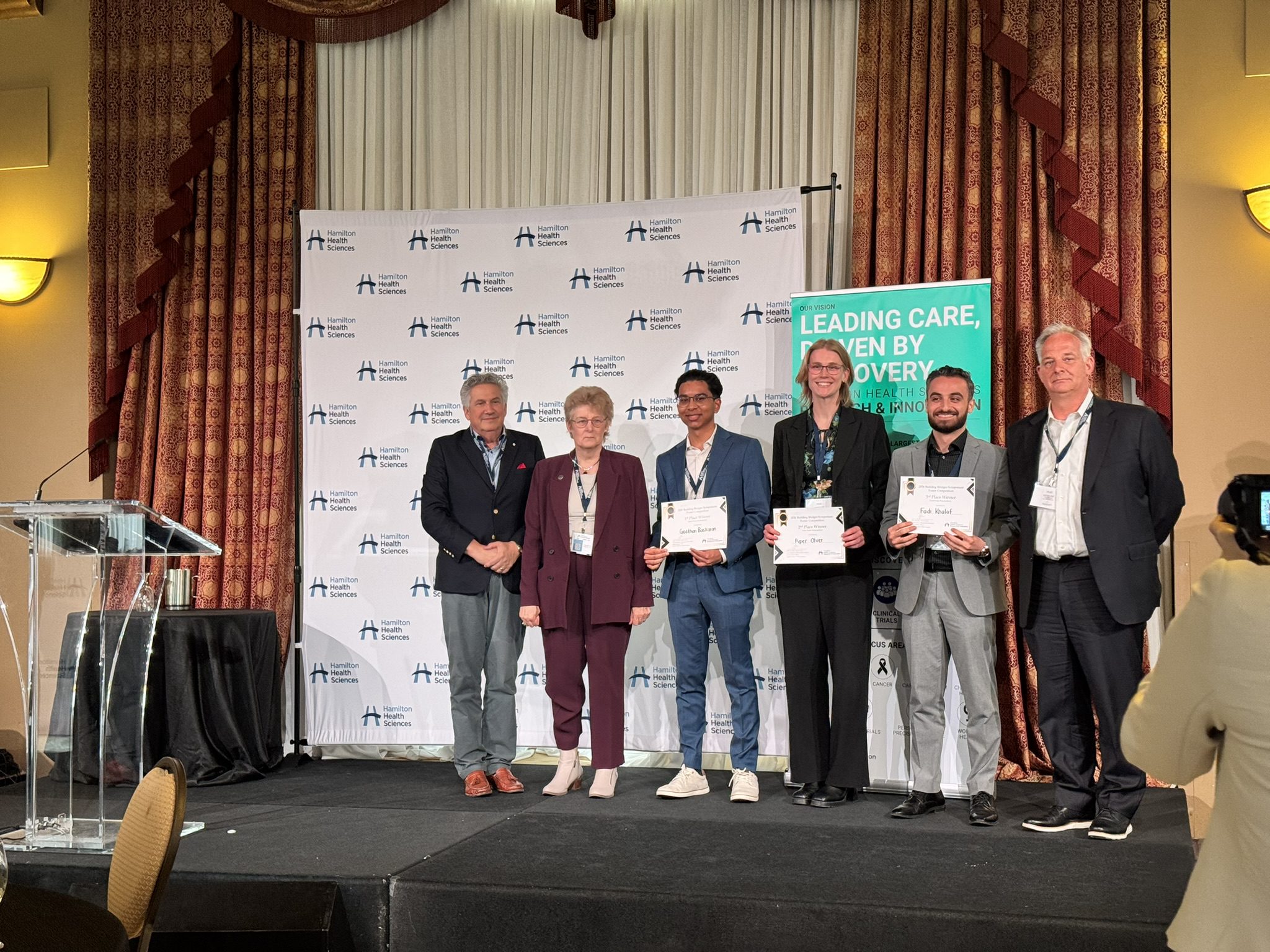
- (L to R) Baskaran and Olver, among the poster presentation award winners