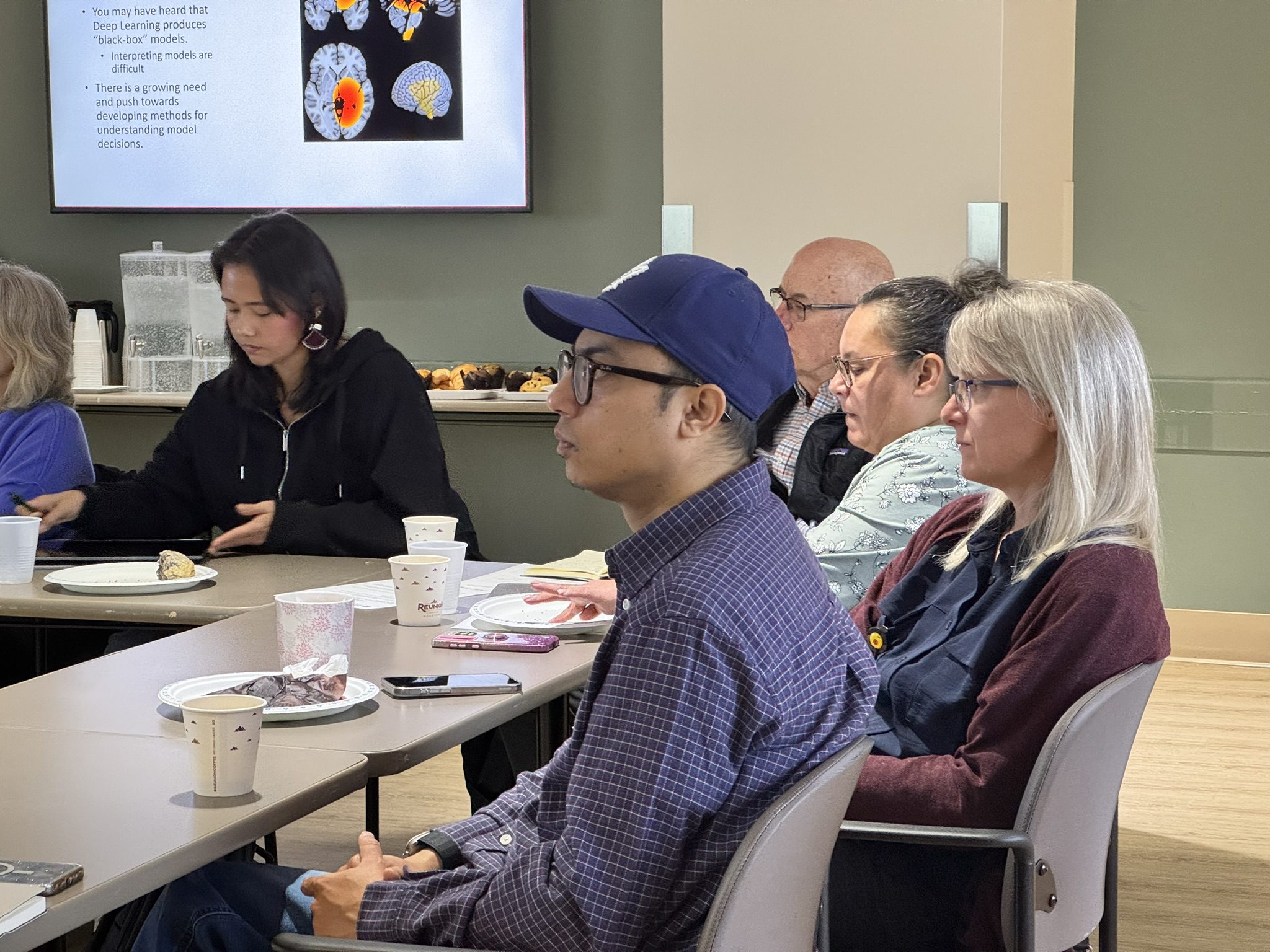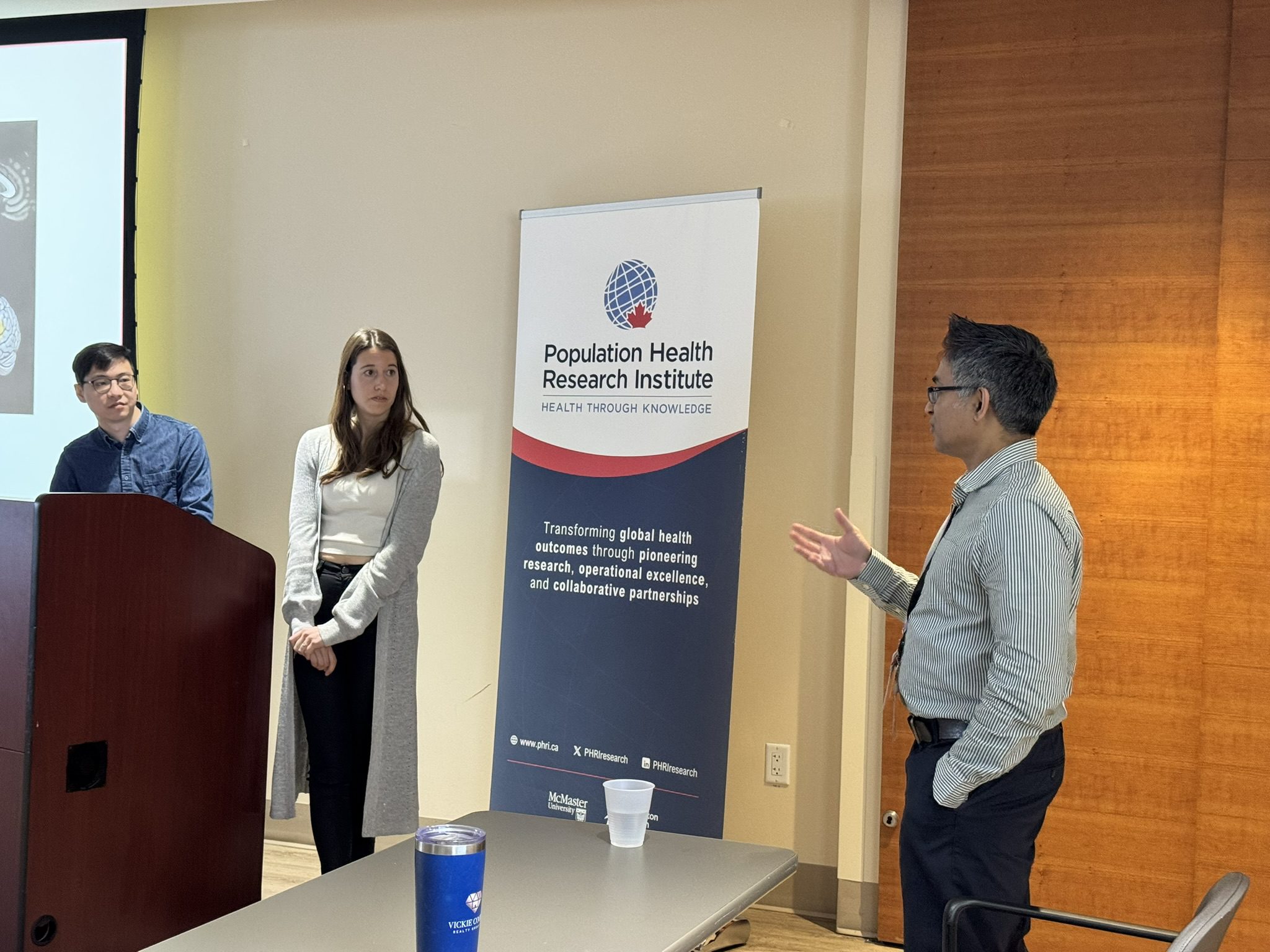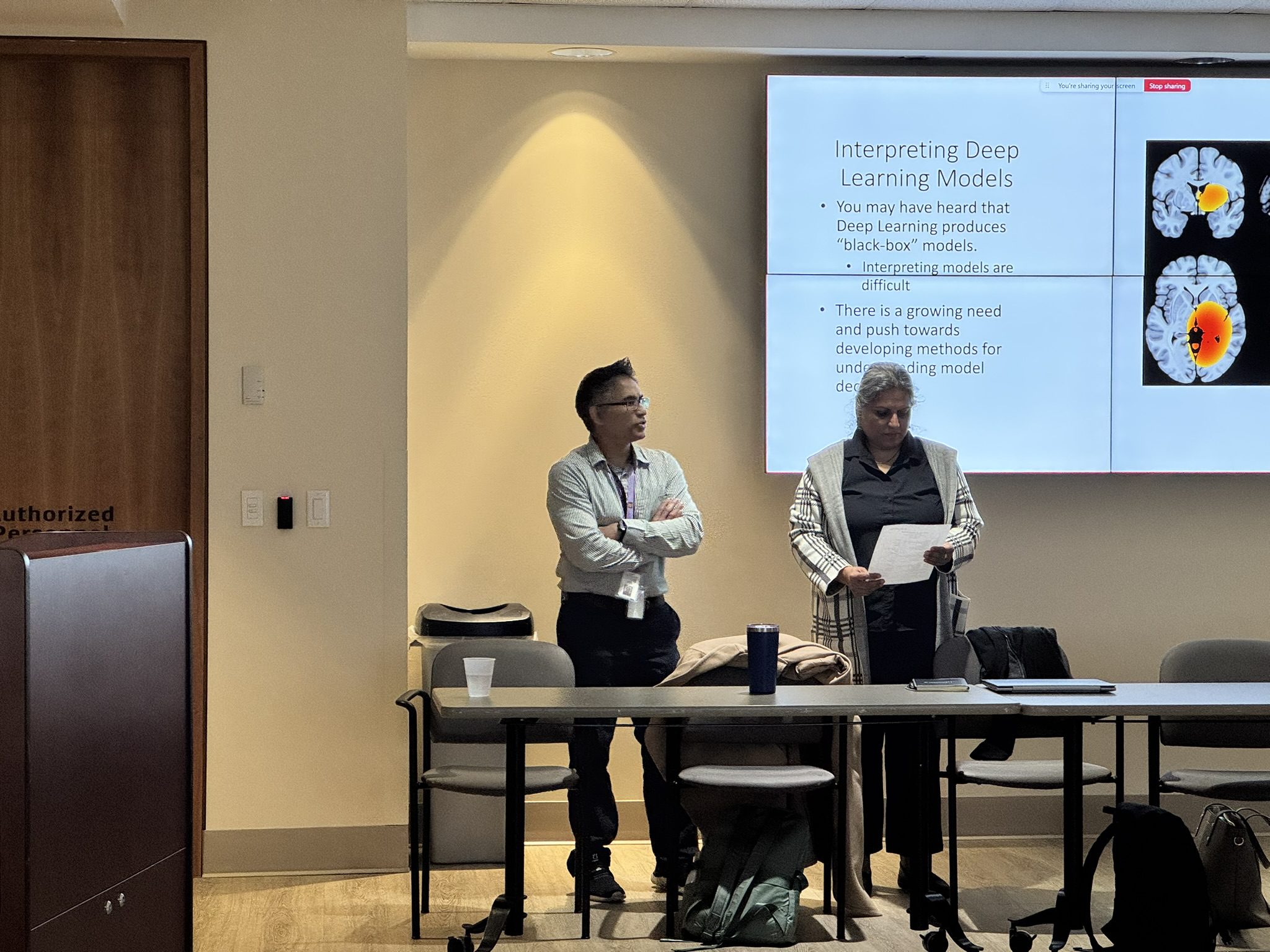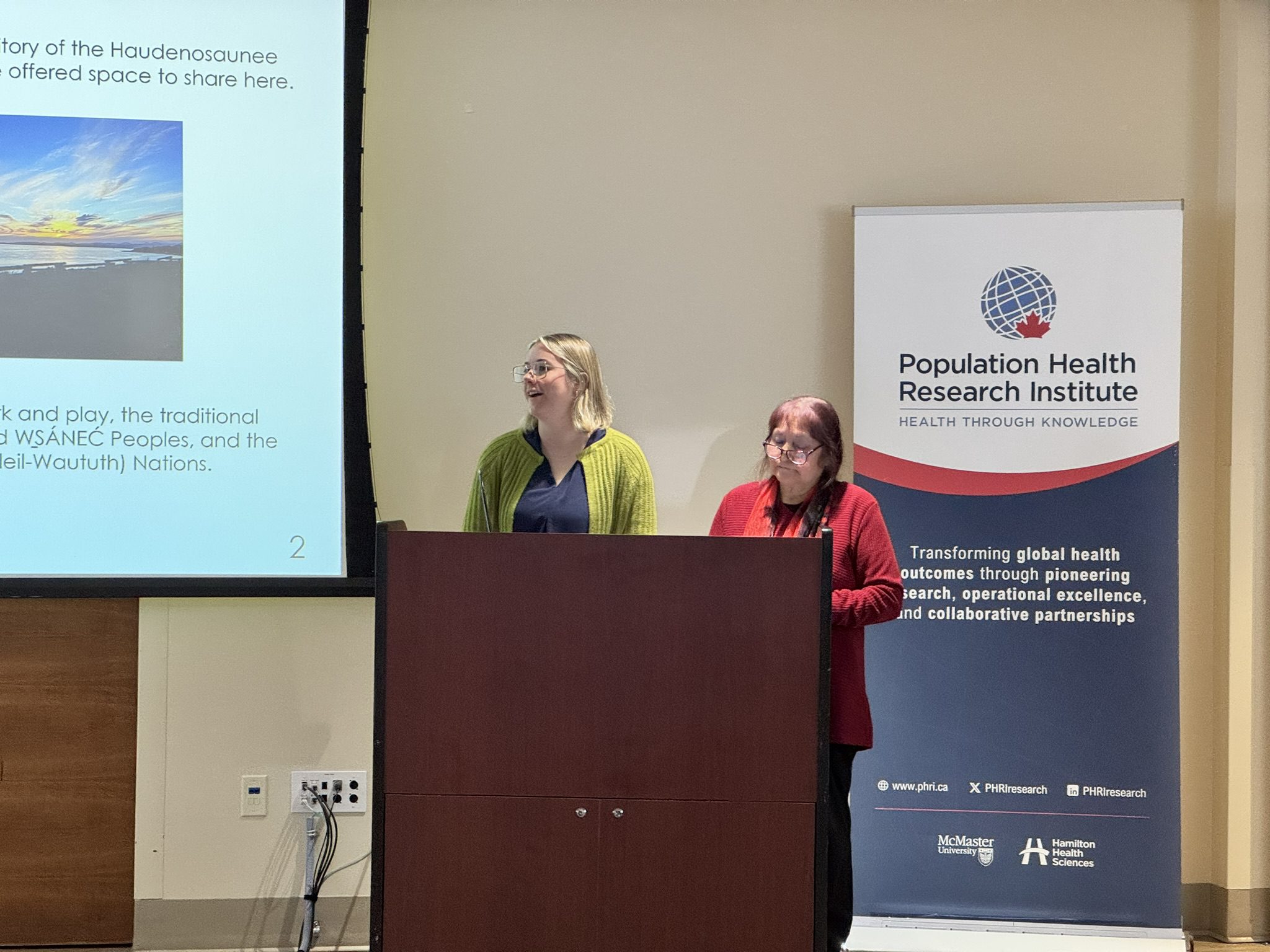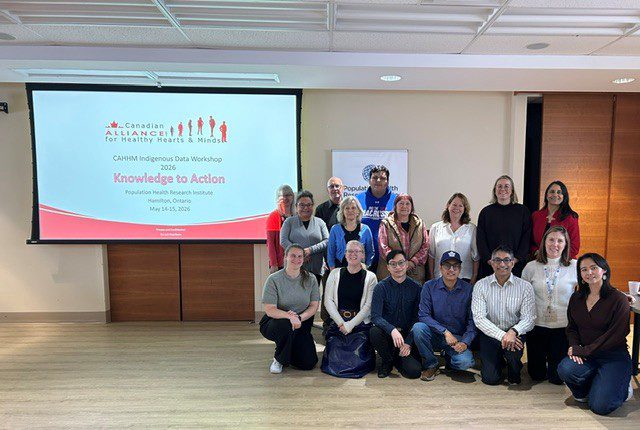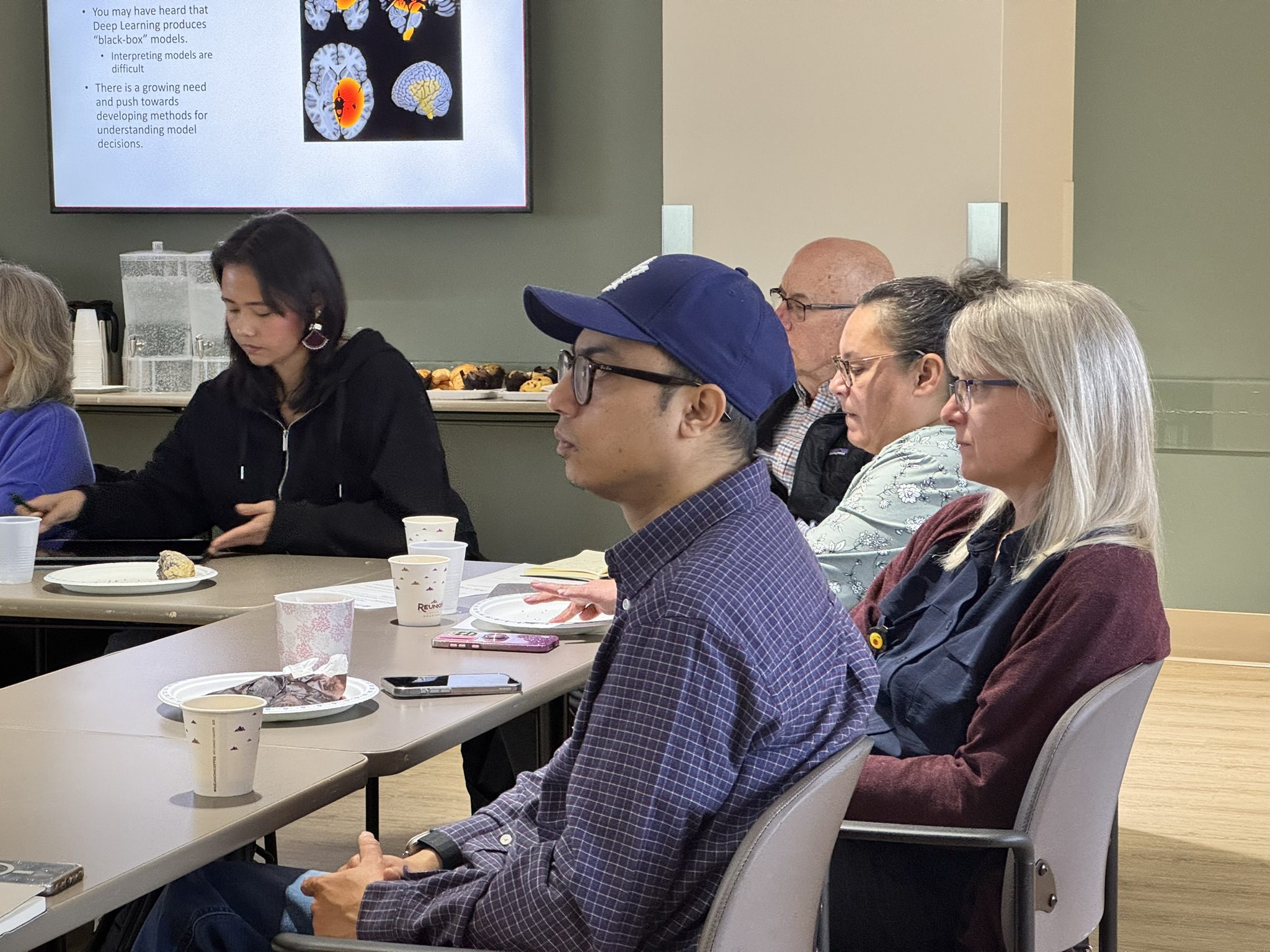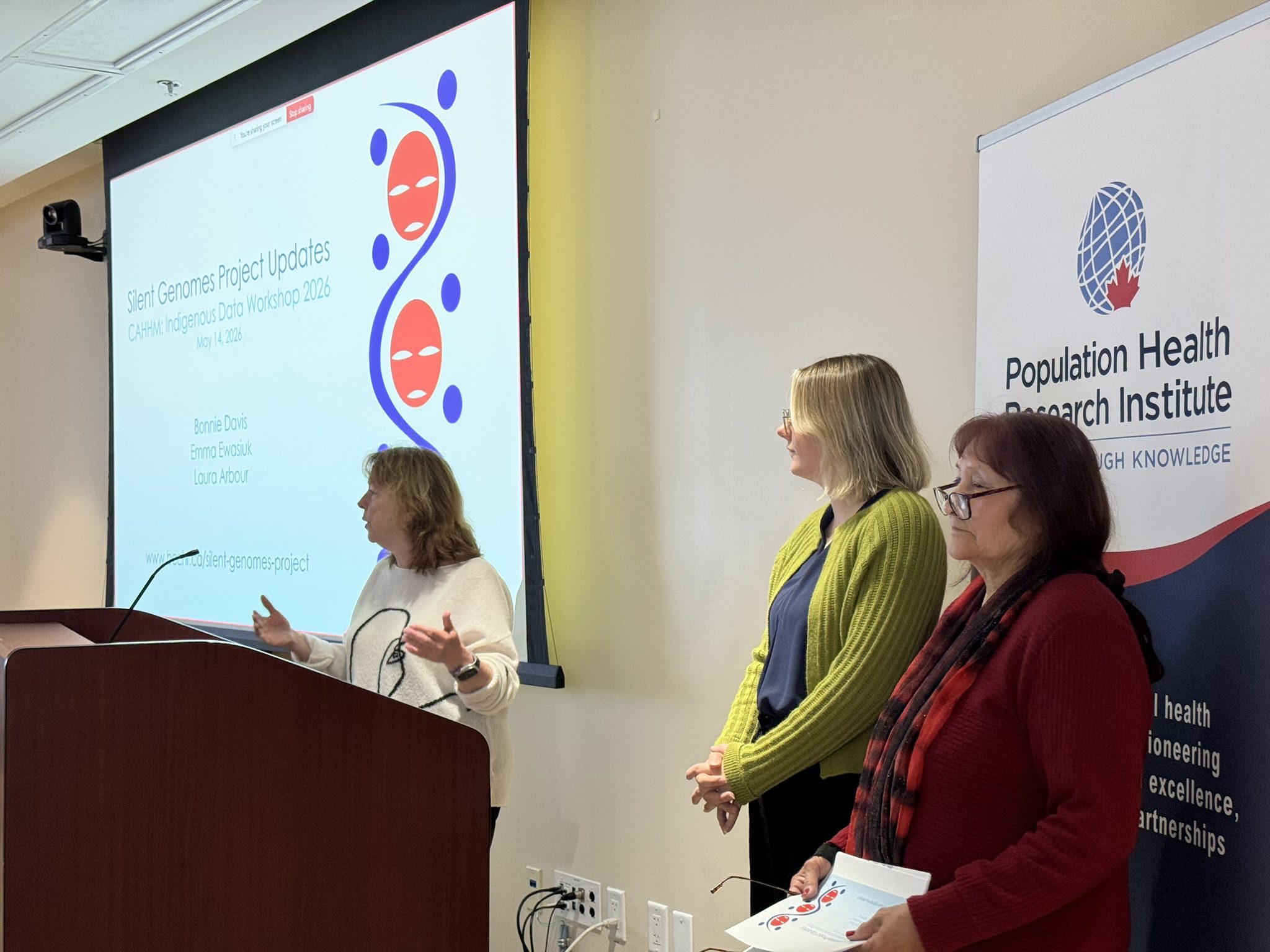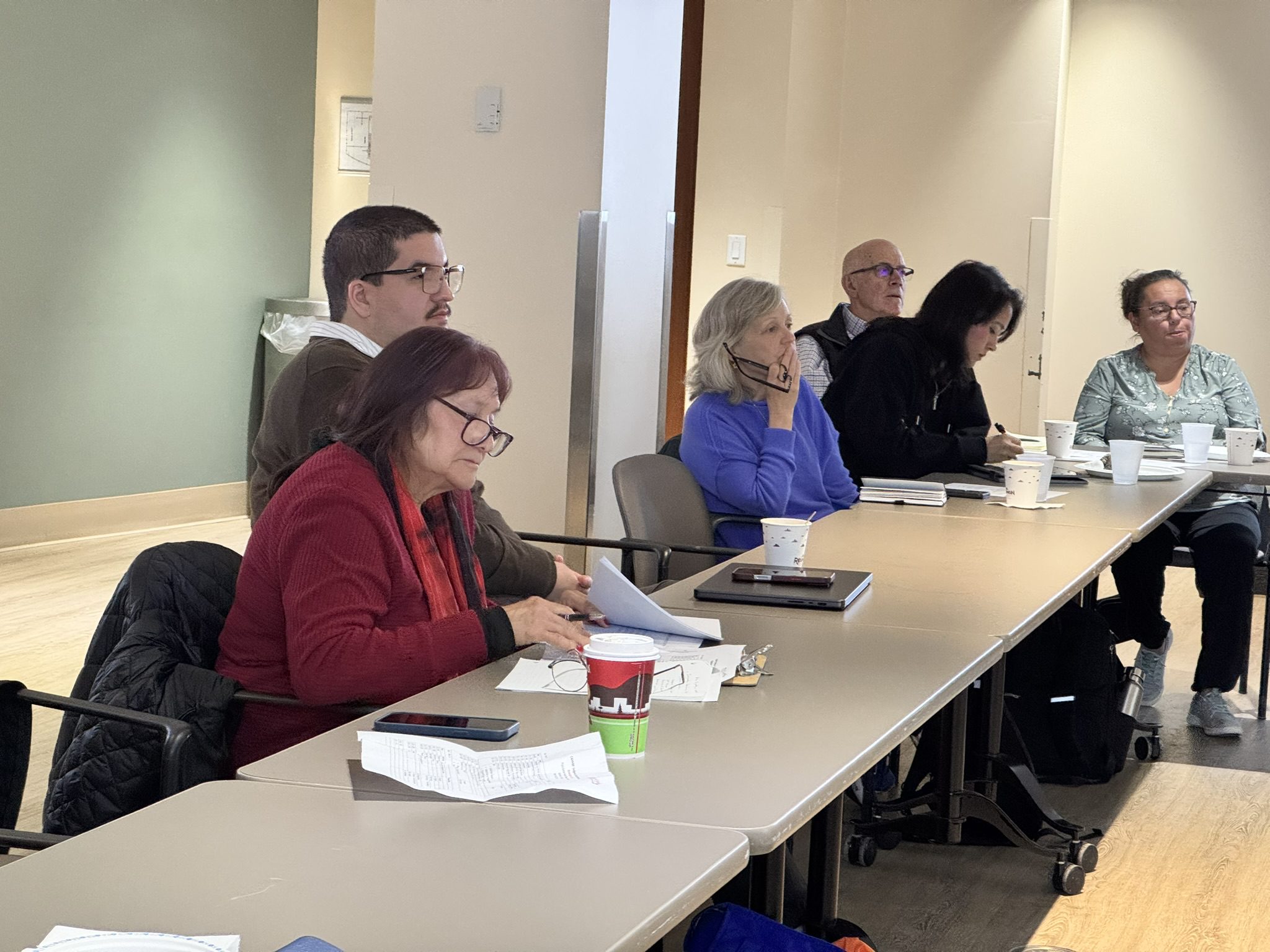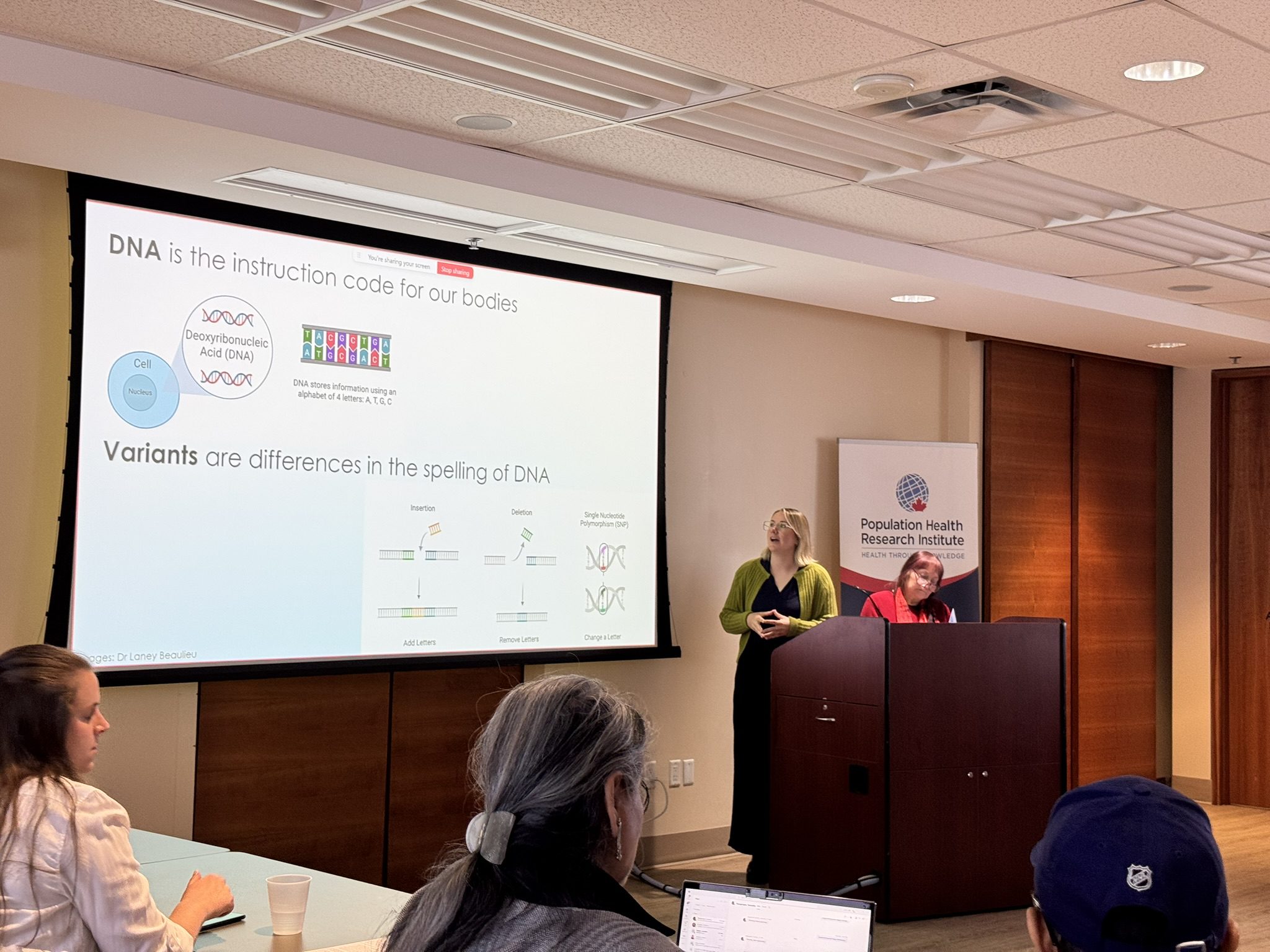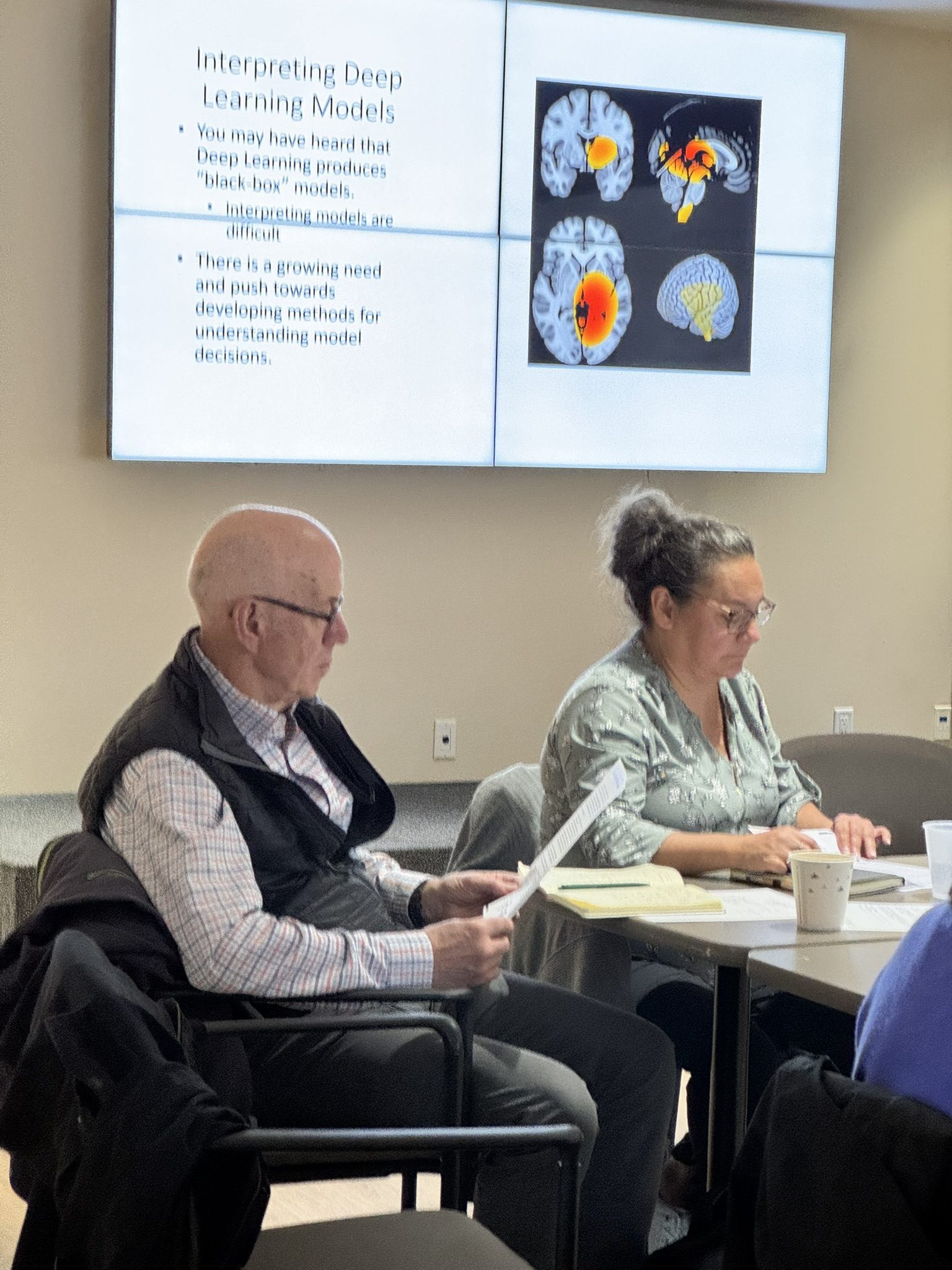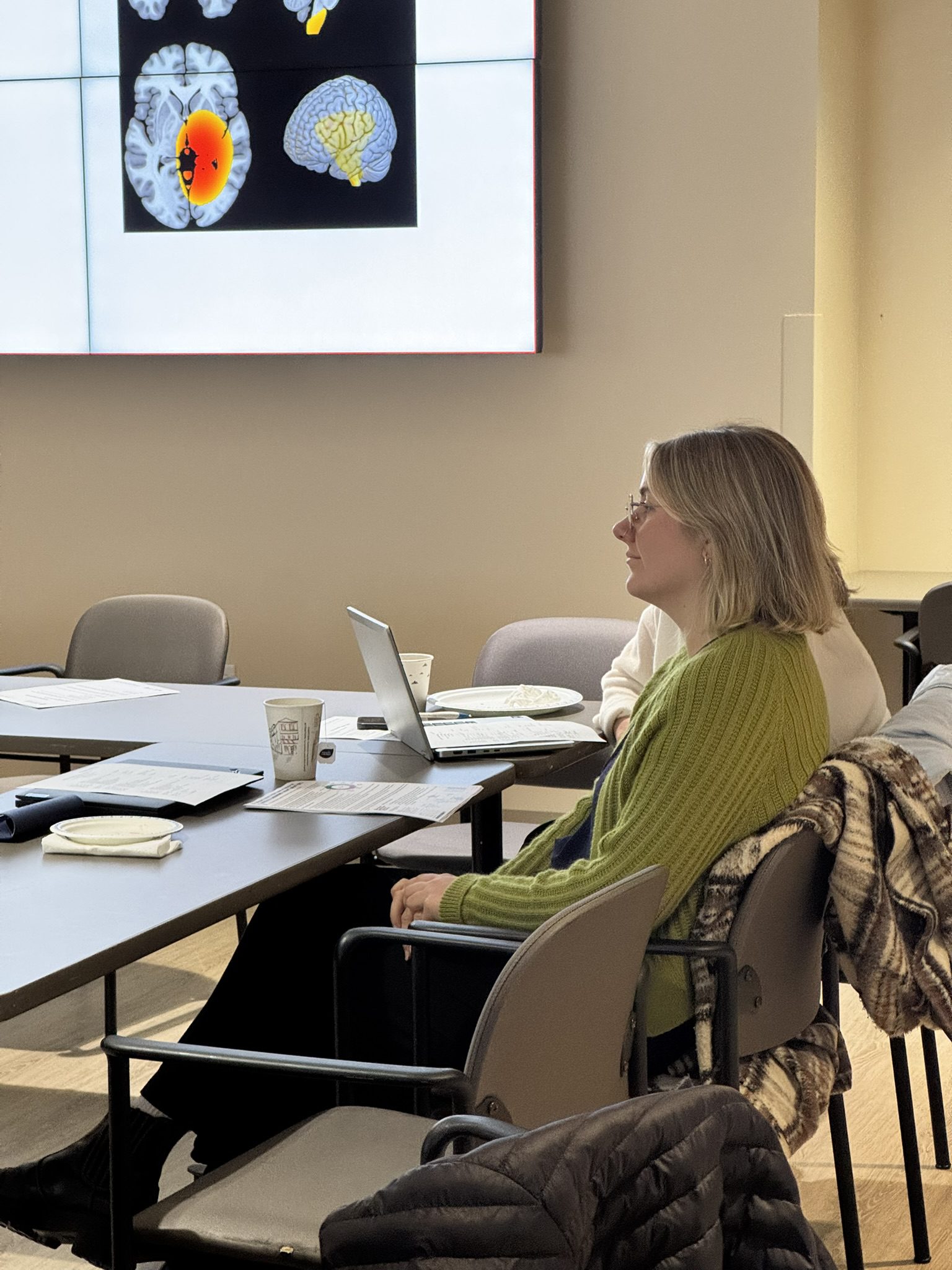
On May 14 and 15, 2026, the CAHHM Indigenous Data Workshop brought together community leaders, researchers, and clinicians at PHRI in Hamilton, Ontario. The workshop provided an opportunity to share knowledge, strengthen partnerships, and advance Indigenous health research grounded in community priorities.
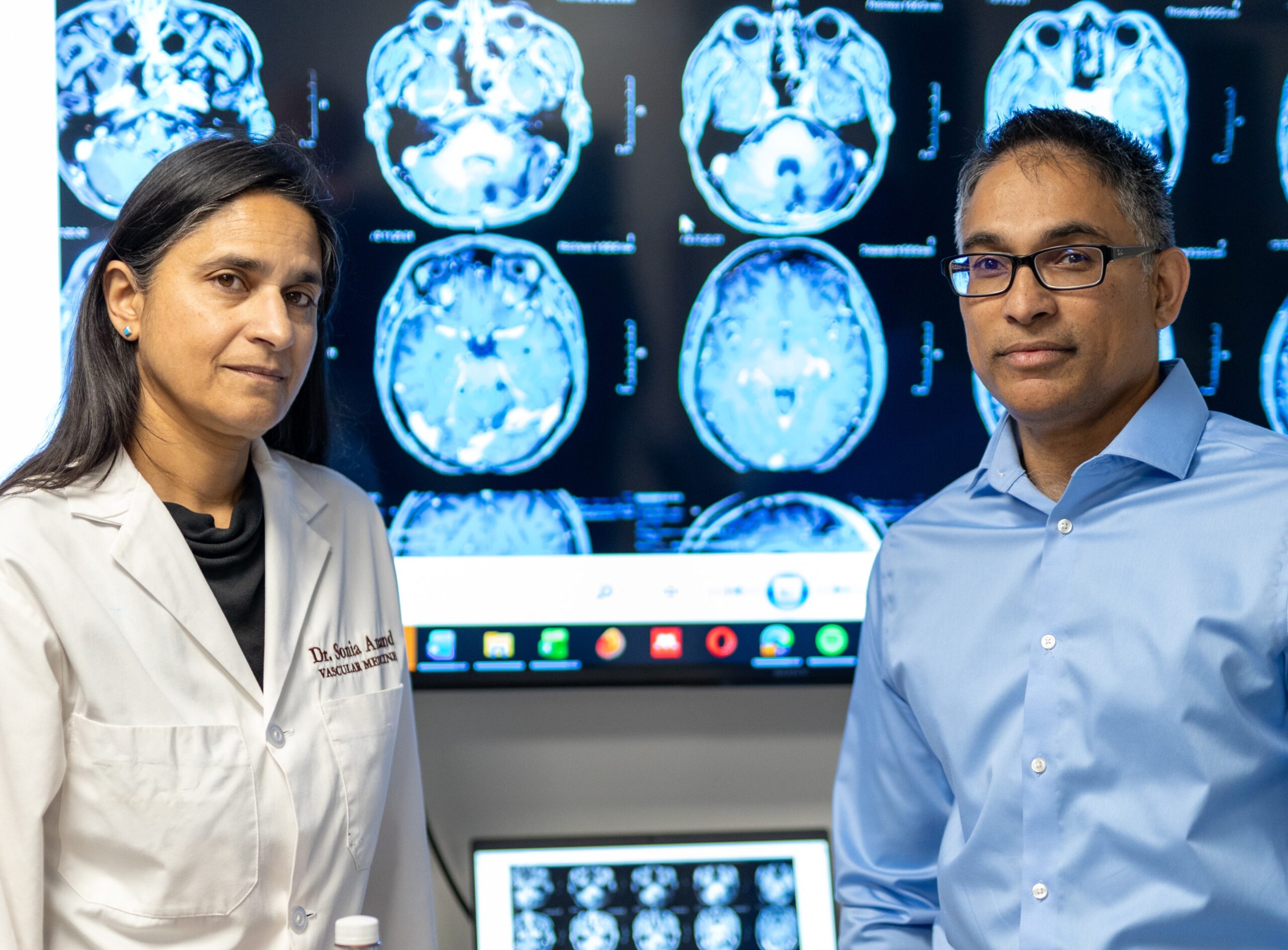
Over the two days, participants engaged in a variety of topics related to CAHHM study updates and goals for future research analyses. Kicking off the meeting, Sonia Anand, principal investigator of the CAHHM trial and senior scientist at PHRI, spoke about life satisfaction and highlighted findings from non–First Nations populations. These insights were shared to explore the potential for applying similar analyses to First Nations data to better understand community well-being. Anand also shared updates on the ongoing recontact phase of the CAHHM trial.
Russell de Souza, associate scientist at PHRI, and Dr. James Irvine of McMaster University, led conversations on diet, highlighting the importance of traditional foods and their cultural, social, and land-based contexts. Marie Pigeyre, PHRI scientist, discussed biomarker research as an emerging area with the potential to inform future understanding of chronic disease and cognitive health.
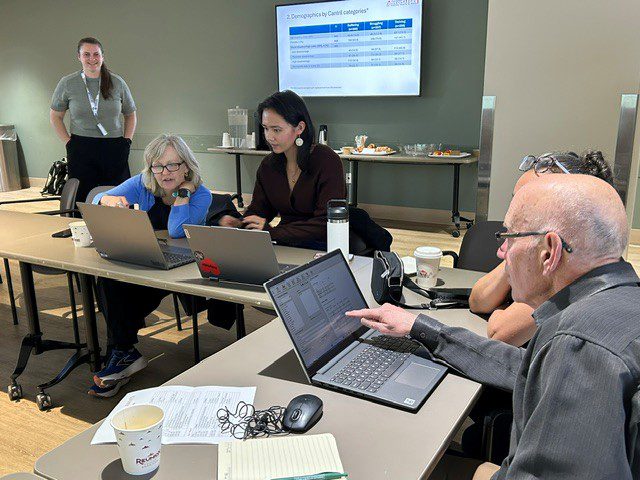
Innovative approaches to care, including mobile health clinics, were explored as opportunities to improve access to services and better align care with community needs. The workshop also included an interactive statistics activity, where participants collaboratively worked on exploring association analysis using multiple variables of interest. The workshop also included a visit to the Woodland Cultural Centre and the Mohawk Institute.
The workshop concluded with a focus on continuing collaboration and identifying opportunities to build on existing data and partnerships in ways that support community priorities.
Bringing together diverse perspectives, the 2026 Indigenous Data Workshop fostered meaningful dialogue and reinforced a shared commitment to advancing community-centered Indigenous health research.