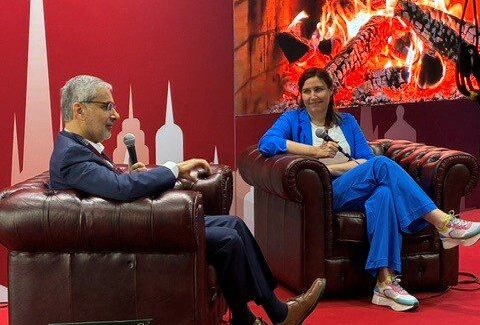
PHRI researchers took the stage at the European Stroke Organisation Conference (ESOC) 2026, held on May 6-8 in Maastricht, Netherlands.
Research fellow Alexander Benz will present an e‑poster from the INTERCEPT trial, which looks at whether using filters in both carotid arteries is safe and effective in preventing repeat strokes in patients with atrial fibrillation who are already being treated with oral anticoagulation.
Investigator Luciana Catanese delivered a presentation on Stroke Prevention in Women (SERENE), an individual patient‑level analysis pooling data from four randomized secondary stroke prevention trials: DATAS‑II, AXIOMATIC-SSP, PACIFIC‑STROKE, and NAVIGATE‑ESUS. The analysis found that women had lower rates of recurrent stroke and major cardiovascular events than men, with no differences in mortality or major bleeding, and that antithrombotic treatment effects were consistent across sexes.
Senior scientist Jeff Healey presented “When anticoagulation fails: is LAA closure the answer?” as part of a scientific session risk factors and primary and secondary stroke prevention.
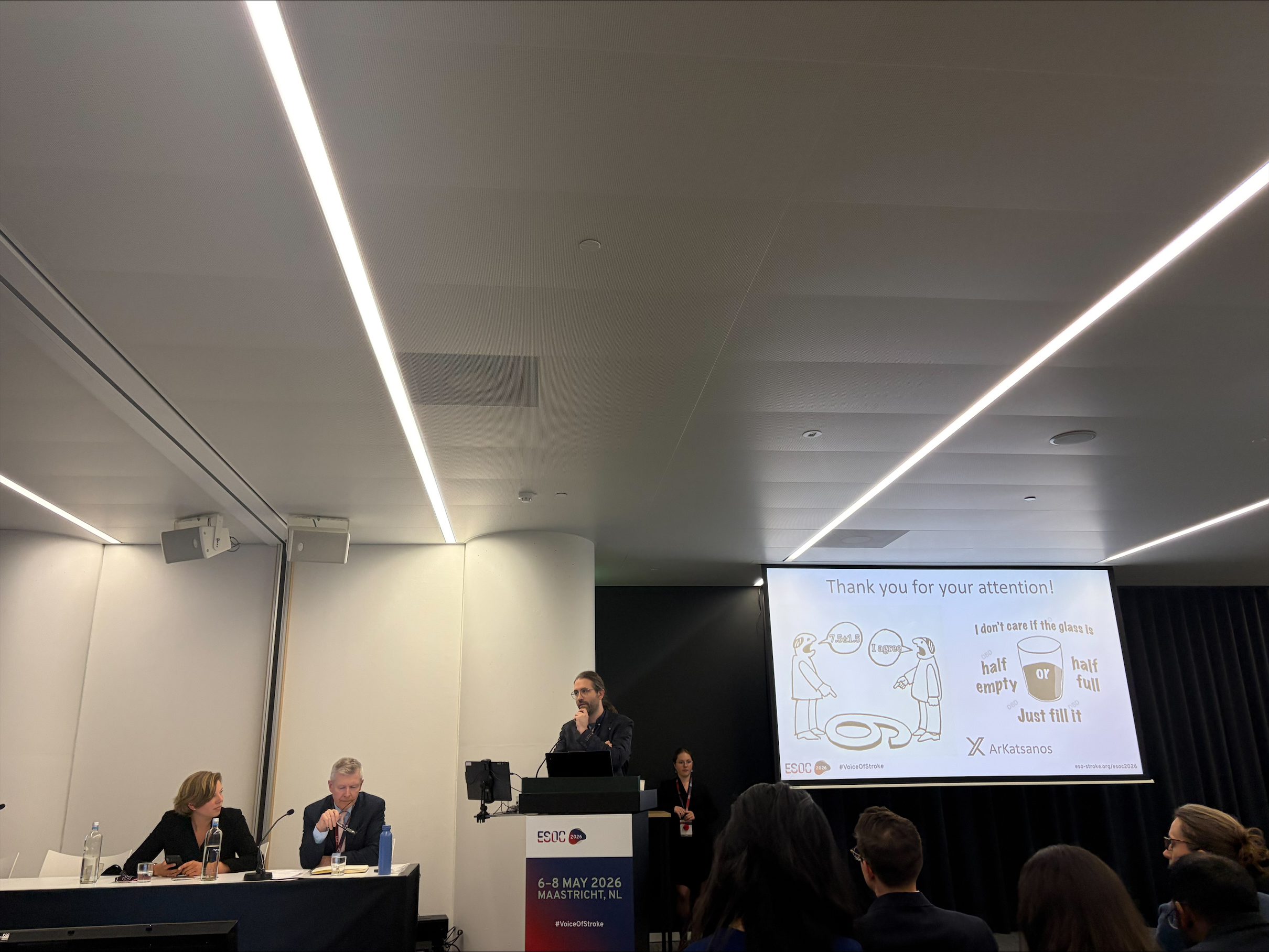
Scientist Aristeidis Katsanos an session on the basics of superiority and non‑inferiority trials as part of a session on advances in clinical stroke research methodology.
Scientist Kanjana Perera presented an e‑poster on the CATIS‑ICAS study, examining combination antithrombotic treatment for preventing recurrent ischaemic stroke in patients with intracranial atherosclerotic disease.
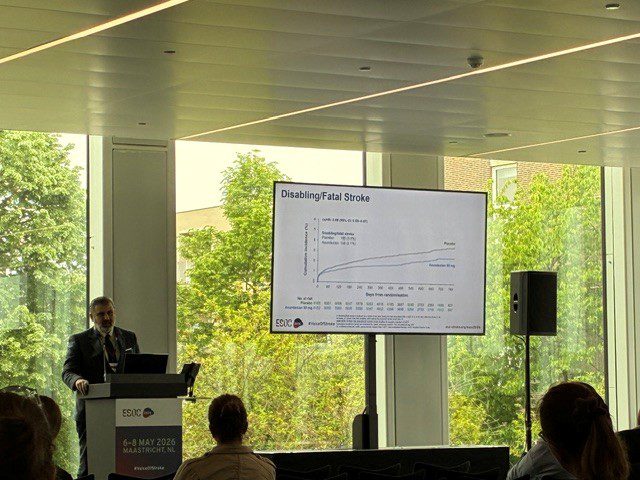
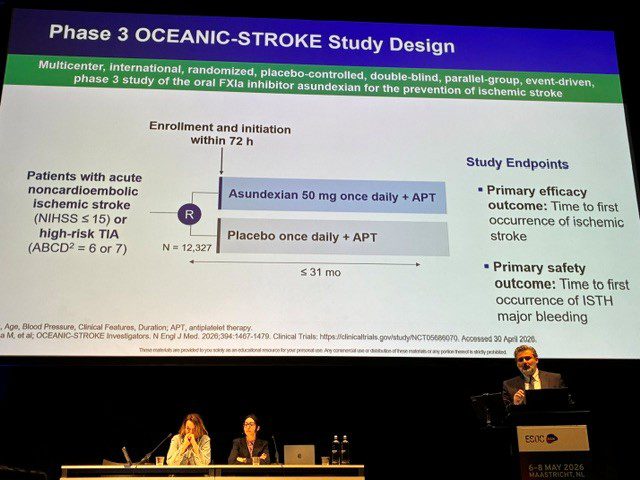
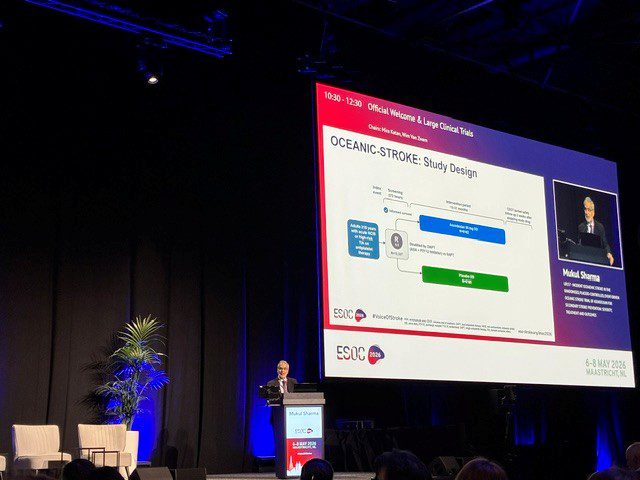
Senior scientist Mike Sharma shared findings from the OCEANIC‑STROKE trial, including an oral presentation on incident ischaemic stroke severity, treatment, and outcomes, as well as late‑breaking results on the net benefit and timing of benefit of asundexian for secondary stroke prevention.
Senior scientist Ashkan Shoamanesh chaired an Industry Satellite Symposium on factor Xia inhibition for stroke prevention, during which he presented “Defining the Role of FXIa Inhibition Through Evidence.” He also shared insights on real-world patient characteristics and clinical outcomes across stroke toast subtypes, from an analysis of a large representative US electronic health record database.
Shoamanesh presented findings from the OCEANIC‑STROKE trial, including paper posters on intracranial haemorrhage and predictors of recurrent ischaemic stroke. He also discussed severity, treatment and outcomes for oral factor Xia inhibitor as a novel approach for stroke prevention. As part of a session on management of recurrent stroke in atrial fibrillation patients on oral anticoaugulants, Shoamanesh presented on novel medical secondary prevention strategies and discussed the He also took part in a teaching course during which he shared lessons learned in leadership in conducting clinical trials.