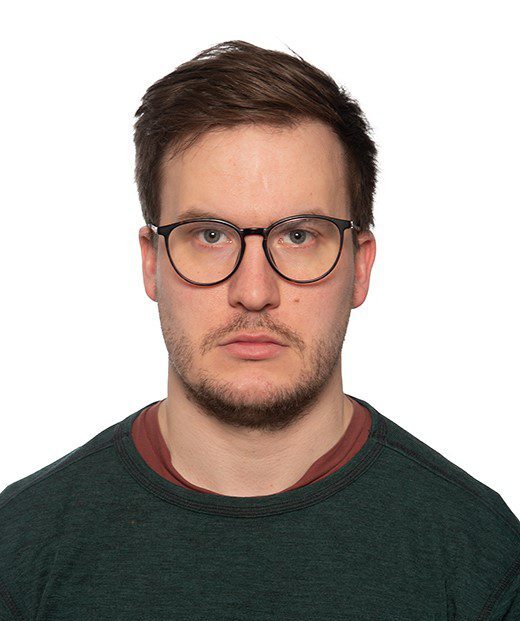
Thomas Scheier
For Thomas Scheier, PHRI investigator, his research journey began with a simple but important observation.
Early in his residency in internal medicine, he noticed something that sparked his interest in research. “I was struck by how many Infection Prevention and Control (IPAC) interventions lacked strong evidence despite their widespread use in clinical practice.”
In 2023, Thomas joined PHRI where his interests continued to grow and where he contributed to research that supported his development as a clinician and a researcher. “Working at PHRI was an important experience for me personally and played a significant role in advancing my career,” he said. Over the past few years, Thomas met other clinician scientists whose insights and support played a key role in shaping his path and strengthening his interest in research. “Every activity at PHRI offers a unique learning opportunity, distinguished by exceptional quality, scale, and mentorship.”
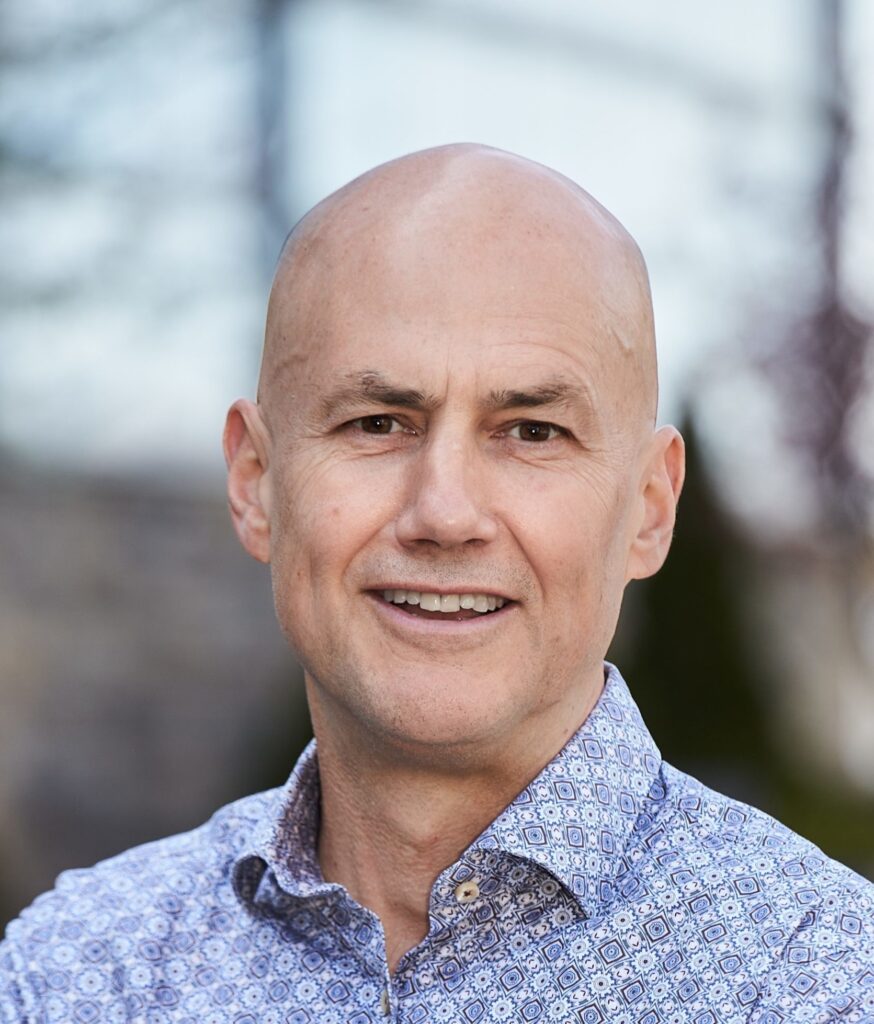
John Eilkelboom
As a project officer, Thomas has been working closely with senior scientist John Eikelboom, scientist Dominik Mertz, and the team of the REVIVE trial. The trial focuses on adults with advanced HIV, and aims to determine whether azithromycin, taken once daily for four weeks, can reduce the risk of death. Alongside the main study, Thomas also leads a sub‑study examining the effect of azithromycin on antimicrobial resistance.
Eikelboom, one of the principal investigators of REVIVE, said Thomas has grown rapidly into an outstanding early‑career clinician scientist, combining strong infectious diseases training with exceptional trial leadership and analytical skills. In addition to REVIVE, his work at PHRI includes contributions to the PICS-Prevena and RifaSTRAT trials.
“During his time at PHRI, he has taken on major responsibilities in large international studies and has begun to develop an impressive independent research program in antimicrobial resistance,” said Eikelboom.
For Thomas, this work was made possible because of the supportive and collaborative environment at PHRI. “Being part of PHRI means joining a world‑class, highly efficient research organization with readily accessible knowledge, expertise, and experience in clinical trials.”
Walter und Gertrud Siegenthaler Foundation Return Grant Awardee
Recently, Thomas was recognized with the Walter und Gertrud Siegenthaler Foundation Return Grant, which supports young medical researchers returning to the University of Zurich’s (UZH) Faculty of Medicine after a period abroad. The award was presented to Thomas at the UZH Dies academicus held on May 8, 2026.
“Receiving the Siegenthaler Return Grant reflects the value of my research fellowship at PHRI and enables me to continue my research after returning to Switzerland.”
The grant supports a project that looks at current practice and available evidence for managing adults colonized with extended‑spectrum beta‑lactamases when they are admitted to hospital with suspected infection. The project aims to strengthen antimicrobial stewardship and guide future research.
Thomas leads this project in collaboration with Mertz and Prof. S. D. Brugger of the University Hospital Zurich.
While he will return to Switzerland to work as an IPAC physician, Thomas will continue working on PHRI ongoing trials. “I am transitioning back to Switzerland to work as an IPAC physician, with the hope of developing into a clinician scientist and maintaining ongoing collaborations with PHRI,” he stated.
Looking ahead, his goals remain patient-focused. “I hope that at some point in my career I can contribute to a research project that influences clinical decision making and improves the outcome for even a single patient.”
Thomas’s journey is one of many at PHRI, where collaboration, continuous learning, and a shared commitment to improving patient care are at the heart of the institute’s work.
Reflecting on Thomas’s time at PHRI and the importance of supporting the next generation of researchers, Eikelboom said, “Thomas’s trajectory reflects PHRI’s commitment to supporting early‑career researchers through mentorship, exposure to large‑scale international trials, and opportunities to take on real scientific leadership early in their careers.”