Women Behind the Research is a PHRI Q&A series published in recognition of International Women’s Day 2026. The series features PHRI researchers discussing the research they lead and contribute to, as well as their personal and professional reflections on International Women’s Day and careers in research.
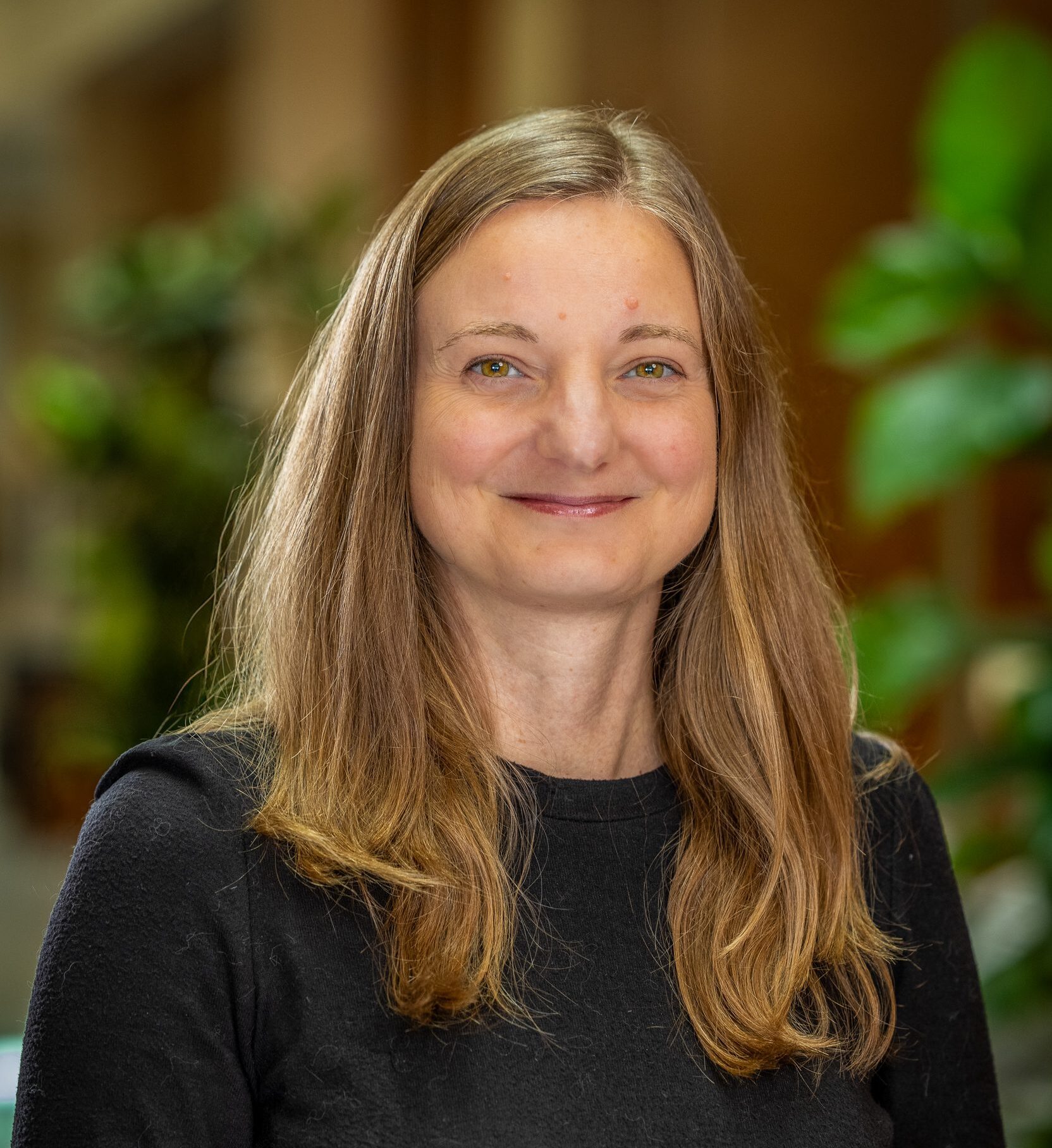
Marie Pigeyre
MEET MARIE PIGEYRE
Marie is a scientist at PHRI, and an assistant professor in the Division of Endocrinology, McMaster University.
What PHRI trials are you currently working on, and what health challenges or problems does your research aim to address?
At PHRI, I work across several studies that reflect my commitment to cardiometabolic prevention across the life course.
Through ORIGIN, I examine biomarkers that predict long-term cardiovascular and renal outcomes in high-risk older adults with dysglycemia. In CAHHM, I integrate circulating biomarkers with abdominal and brain imaging, as well as cognitive assessments, to better characterize and predict brain aging in mid-life. I am also involved in the START and FAMILY birth cohorts, where I study how maternal metabolic health, particularly gestational diabetes, influences long-term cardiometabolic risk in both mothers and children.
What ties all of this together is precision prevention. I am driven by the idea that cardiometabolic diseases are not simply late-onset conditions. If we can identify risk earlier, we have a real opportunity to change long-term health trajectories.
What does International Women’s Day represent for you personally and professionally?
Personally, International Women’s Day is a moment of gratitude. I trained in environments where strong women mentors showed me that it was possible to combine clinical excellence, research leadership, and family life, even if it was not always easy.
Professionally, it is both a celebration and a reminder. A celebration of progress: we now see more women leading trials, chairing sessions, and shaping research priorities. But it is also a reminder that structural inequities persist, particularly in funding, leadership roles, and recognition.
For me, it reinforces the importance of mentorship. Supporting junior women in science is not optional; it is part of the responsibility of leadership.
How has the landscape for women in research changed since you began your career?
There has been visible progress. Conversations about equity, implicit bias, and representation are no longer peripheral; they are central.
At the same time, challenges remain. As careers advance, the pressures intensify, balancing clinical responsibilities, research productivity, grant funding, and family life can be demanding. What has changed, however, is that we now speak openly about these challenges.
What excites you most about the future of women in science and beyond?
What excites me most is influence. Women are not just participating in science; they are shaping it.
In cardiometabolic research, we are finally recognizing the importance of sex-specific biology, pregnancy-related risk, and prevention strategies tailored to women. These areas were historically underprioritized. Seeing them now at the forefront is truly motivating.
More broadly, I am hopeful that women will continue redefining leadership by valuing collaboration, mentorship, and long-term societal impact. The future feels more inclusive, and that makes science stronger.