Women Behind the Research is a PHRI Q&A series published in recognition of International Women’s Day 2026. The series features PHRI researchers discussing the research they lead and contribute to, as well as their personal and professional reflections on International Women’s Day and careers in research.
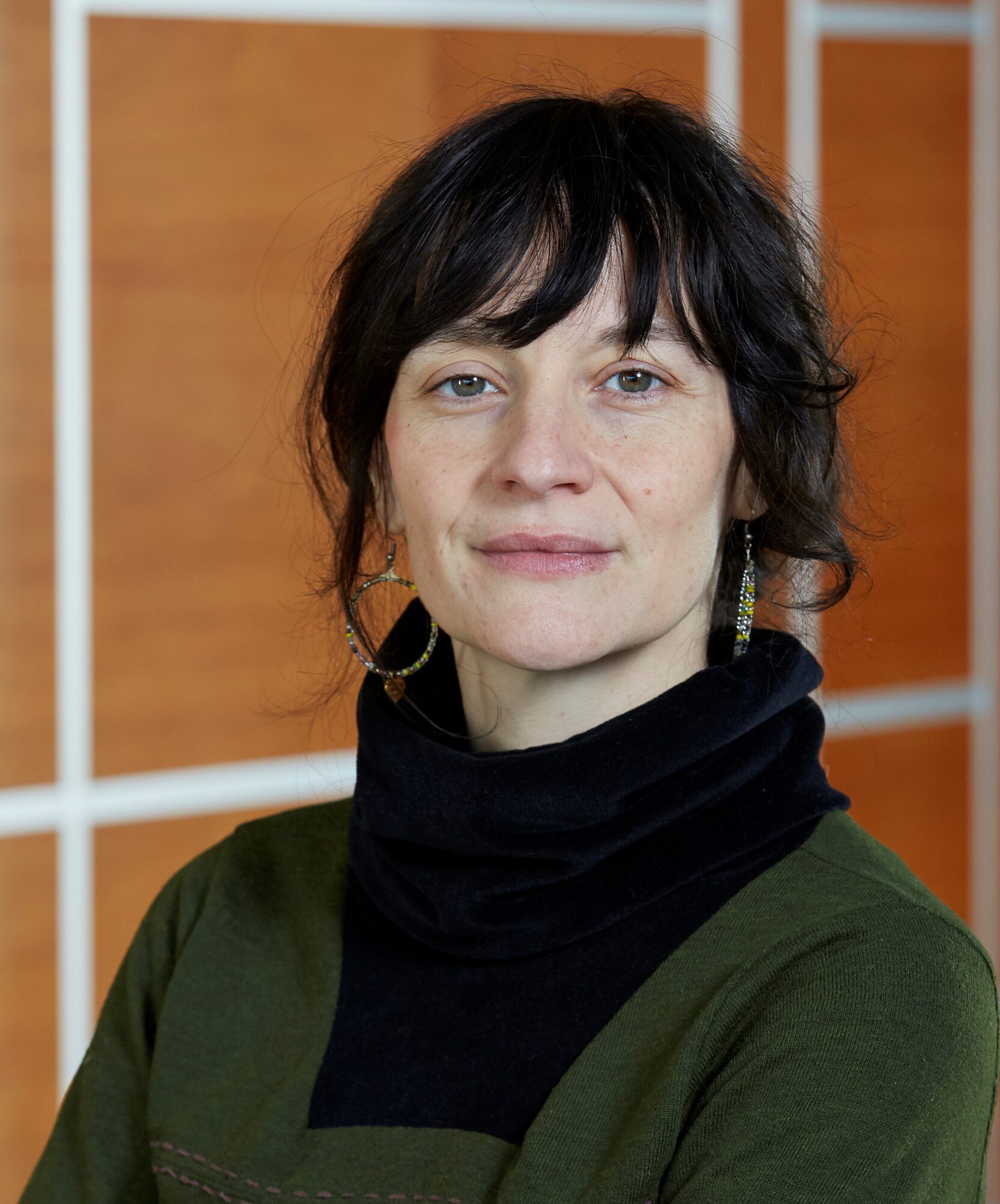
Maura Marcucci
MEET MAURA MARCUCCI
Maura is a PHRI scientist and an internist and perioperative medicine specialist, with an MSc in Health Research Methodology. She is an associate professor at the Clinical Epidemiology and Research Centre (CERC), Humanitas University & IRCCS Humanitas Research Hospital, Milan, Italy, with a part-time appointment at McMaster University. She is also a member of the McMaster Institute for Research on Aging.
Her research is on cardiovascular, cerebrovascular and functional outcomes of older patients undergoing noncardiac surgery, with a focus on perioperative frailty and neurocognitive disorders.
What PHRI trials are you currently working on, and what health challenges or problems does your research aim to address?
I co-led the POISE-3 and cogPOISE-3 trials, which compared different strategies of blood pressure management in patients undergoing major noncardiac surgery for their effect on postoperative cardiovascular and neurocognitive outcomes. I am now the principal investigator of the NeuroVISION-2 study a large international cohort study supported by two major CIHR grants with which will employ state-of-the-art wearable technology, biomarker discovery research, and machine learning techniques to enhance our understanding and ability to predict/early detect perioperative cerebrovascular and neurocognitive disorders. I really feel privileged to lead such important research which addresses the greatest fear of adult or older people undergoing surgery and anesthesia, coming out of surgery with a brain damage or persistent changes in way they think and function.
What does International Women’s Day represent for you personally and professionally?
As many, I tend to refuse that we need a day to remind about women and I use to answer this type of question with “We should not celebrate women once a year, we should celebrate them every day!”. However, I admit this is rhetoric, at least as much rhetoric is to have an International Women’s Day. The truth is that March the 8th is always an energetic day for me, a day of empathy and inspiration, a day of sharing.
How has the landscape for women in research changed since you began your career?
I have been in academia and research now for 15 years. I have definitely seen changes over years. The most consistent ones are quantitative. Women are given more opportunities to thrive and lead in research. Even if these opportunities often derive from institutional obligations to meet certain checks, I believe this is still a way to dedicate an explicit attention to women and their necessities and challenges, which often comes with a push to make societal changes that can facilitate women’s career. A push to a change only based on acknowledging women’s merit to a greater extent (which is the pathway that psychologically we would prefer), would not lead to effective changes without systemic changes. Changes have of course occurred also in people’s attitude. Certain themes remain controversial, but we are freer to talk about sex- and gender-based discrimination and ways to address it.
There is yet lot to do. For instance, I am an internationally trained scientist that has changed institution and country of work a few times and has been professionally linked to more than one institution, in different countries, at a time. The landscape of women in research is different across institutions and countries, at the same historical time. Until there are differences in the extent to which women are enabled in research based on the place they are, it means there will still be lots of changes to pursue.
What excites you most about the future of women in science and beyond?
Excitement is the right word. I am excited to see more and more women scientists succeeding and leading. I do not want to make simplistic generalizations (“women are better than men at leading”); human beings have different characteristics that may have nothing to do with sex or gender. However, I can see and feel that women can bring a type of energy and passion, a capacity to be efficient without negligence, a way of leading while caring, which academia and science (and the world!) really need.