Women Behind the Research is a PHRI Q&A series published in recognition of International Women’s Day 2026. The series features PHRI researchers discussing the research they lead and contribute to, as well as their personal and professional reflections on International Women’s Day and careers in research.
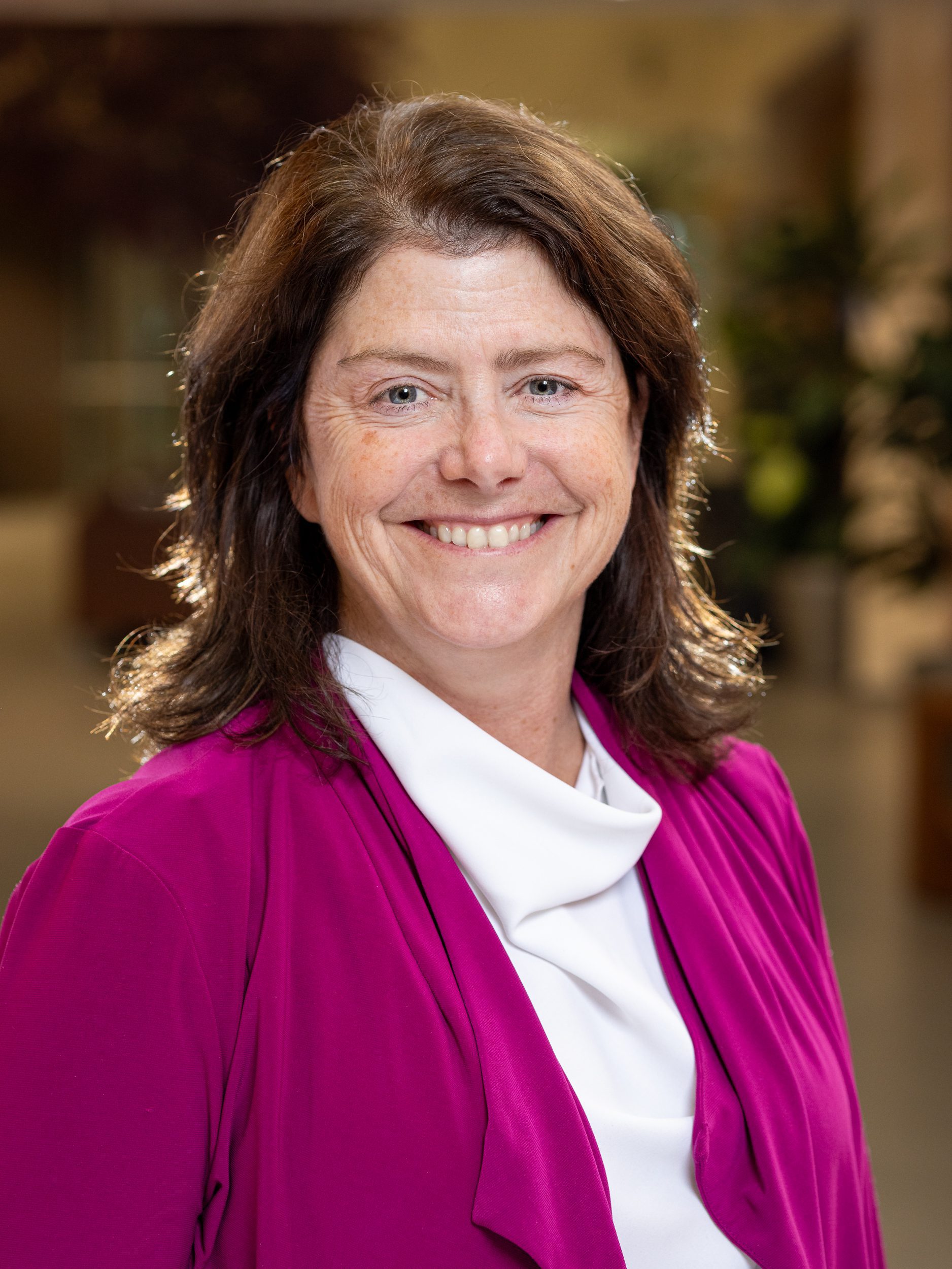
Jackie Bosch
MEET JACKIE BOSCH
Jackie is a PHRI scientist, a McMaster/PHRI Chair in Global Stroke Rehabilitation, a researcher with the Chanchlani Research Institute and a member of McMaster Institute for Research on Aging. Her clinical interests are in the area of adult neurological rehabilitation and in particular, functional recovery post-stroke in low resource settings.
What PHRI trials are you currently working on, and what health challenges or problems does your research aim to address?
I am working on studies to improve outcomes for stroke survivors in low resource settings (OSCAIL). The current studies are focusing on implementing novel approaches to improve function for stroke survivors in the community. The novelty comes from the lack of health human resources and the need to consider task-shifting to non-health care professionals.
I am a co-investigator on the PROSPECT study, which is trying to quantify the cognitive and functional outcomes after stroke. It is very exciting that PROSPECT is trying to provide a global perspective on stroke outcomes, an area that has been neglected to date because of the difficulty in doing so. Many of the OSCAIL investigators are also collaborating on PROSPECT!
I am also part of the LEADER-PAD study team, a multi-national study that is testing whether colchicine can improve outcomes for people with peripheral arterial disease.
What does International Women’s Day represent for you personally and professionally?
In many low-resource settings, women navigate persistent structural inequities shaped by economic, social and health system constraints. The women I work alongside recognize these realities with clarity and pragmatism, and continue to lead, build, and innovate despite them. I am continually struck not only by their resilience, but by their strength, agency, and unwavering commitment to moving forward and beyond.
How has the landscape for women in research changed since you began your career?
The landscape has transformed dramatically. Opportunities have expanded, visible role models have multiplied, and success stories are no longer exceptions but part of a growing and accelerating trajectory.
What excites you most about the future of women in science and beyond?
The sky is the limit!