Women Behind the Research is a PHRI Q&A series published in recognition of International Women’s Day 2026. The series features PHRI researchers discussing the research they lead and contribute to, as well as their personal and professional reflections on International Women’s Day and careers in research.
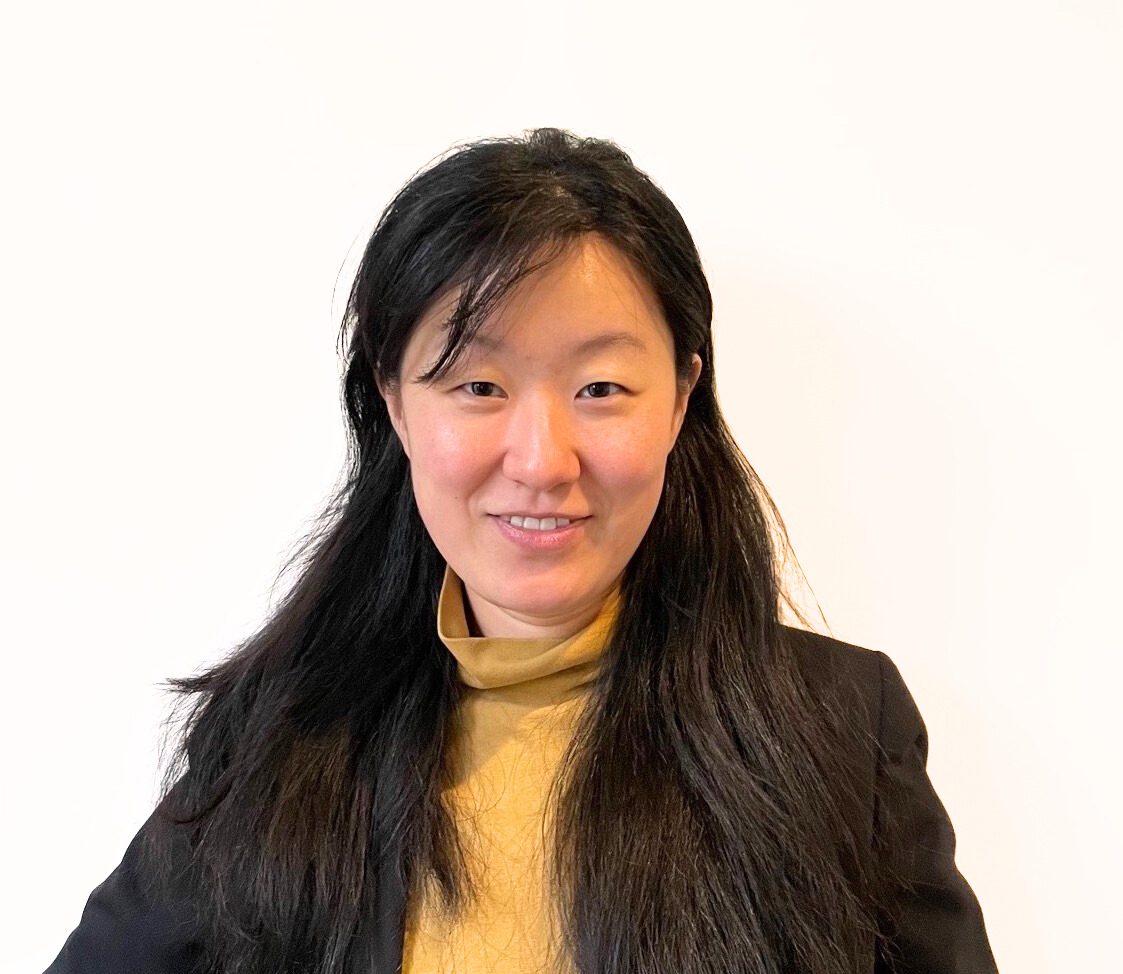
Wei Deng
MEET WEI DENG
Wei is an investigator at PHRI, assistant professor in the Department of Psychiatry and Behavioural Neuroscience, the Genomic Lead at the Peter Boris Centre for Addictions Research, and the Epigenetic Lead at the Chanchlani Research Centre at McMaster University.
What PHRI trials are you currently working on, and what health challenges or problems does your research aim to address?
At PHRI, my work focuses on large-scale studies that link molecular biology with clinical/population health outcomes. Broadly, I am involved in projects that use genomics and other “omics” data to understand why some people develop cardiometabolic disease and related conditions, and how we can identify risk/barrier earlier and intervene more precisely.
What does International Women’s Day represent for you personally and professionally?
A moment to reflect on the women scientists before me and those who made my path possible. I have been fortunate to have a series of women mentors who guided me with both career and life advice, and who helped me navigate the terrain by drawing on their own experiences. Many of them built their careers in a different time, and their perspective, candour, and generosity have shaped how I think about leadership and mentorship. Professionally, it is a reminder that scientific excellence depends on creating environments where everyone can contribute fully and for talent to thrive.
How has the landscape for women in research changed since you began your career?
There are more opportunities for women now, and in many cases, there is less judgement about what it means to be a woman in STEM. I come from a STEM background and have seen first-hand how important it is when institutions and teams actively create space for women to lead and be recognized for their contributions. There is more visibility for women in science and more structured mentorship.
What excites you most about the future of women in science and beyond?
I would like to see a future where women and men have equal opportunity to pursue the interests they genuinely care about, without being shaped or limited by stereotypes. The most exciting part is a culture shift where talent is recognized early, mentorship and resources are accessible to everyone, and people feel free to choose paths that fit their strengths and curiosity.