Women Behind the Research is a PHRI Q&A series published in recognition of International Women’s Day 2026. The series features PHRI researchers discussing the research they lead and contribute to, as well as their personal and professional reflections on International Women’s Day and careers in research.
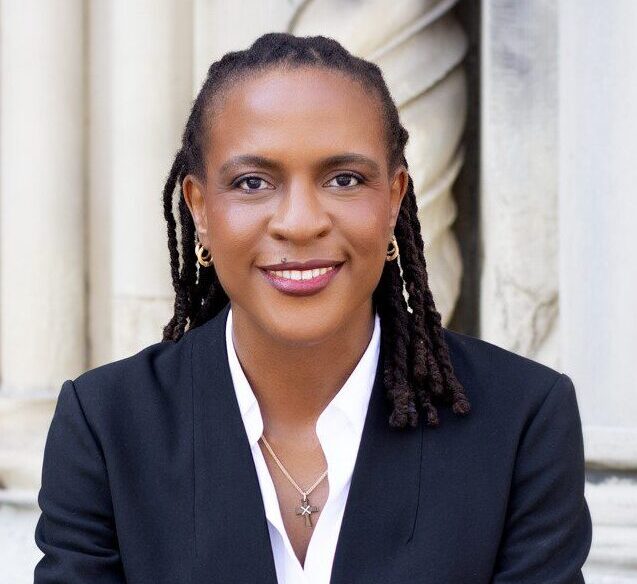
Sandra Ofori
MEET SANDRA OFORI
Sandra Ofori is a scientist at PHRI, an assistant professor in McMaster University’s Department of Medicine (cardiology), and a general cardiologist in Hamilton Health Sciences and St Joseph’s hospital, Hamilton. Her research interests are in the areas of perioperative care and cardiovascular disease prevention.
What PHRI trials are you currently working on, and what health challenges or problems does your research aim to address?
I am working on PVCRAM-2 (co-principal investigator), VISION-2 (co-investigator), PREVENT (principal investigator), and PRINCE (adjudication co-chair).
My research focuses on improving the safety of the transition from hospital to home for surgical patients through virtual care and remote automated monitoring, enhancing the identification of perioperative complications using continuous monitoring technologies, and optimizing long-term health after surgery, with a particular emphasis on smoking cessation. The overarching goal is to improve patient outcomes while supporting health system sustainability through improving surgical workflows.
What does International Women’s Day represent for you personally and professionally?
Personally, International Women’s Day is especially meaningful to me after recently undergoing major surgery and being cared for by an all-female team, from medical student to attending surgeon. It was a powerful reminder of how much progress has been made in fields that were once male dominated. Professionally, it reinforces my commitment to fostering inclusive research and work environments and supporting the advancement of women in clinical, academic, and leadership roles. Reflecting this year’s “Give to Gain” theme, I am committed to giving my time and resources to engage in activities to raise funds for supporting research in women’s health.
How has the landscape for women in research changed since you began your career?
Undoubtedly, meaningful progress has been made in increasing the number of women entering medicine and academia, but significant challenges remain. Many women are still lost from the career pipeline before reaching senior and leadership roles, often due to career interruptions that are not adequately recognized in traditional progression metrics. More specific and intentional support is needed to enable women to pursue the careers they want while balancing other responsibilities, along with continued efforts to increase and support women in leadership positions.
What excites you most about the future of women in science and beyond?
What excites me most is the gradual but clear shift from women simply being present in medicine and academia to women actively shaping it through leadership. For example, having Dr. Emilie Belley-Côté as associate deputy director and scientist at PHRI has already made a tangible difference in how included and supported people feel. This kind of leadership may be subtle, but it is highly impactful. Having more women in these leadership positions defining research questions, leading teams, and influencing how success is measured gives me confidence that the system itself can change, not just who succeeds within it.