Women Behind the Research is a PHRI Q&A series published in recognition of International Women’s Day 2026. The series features PHRI researchers discussing the research they lead and contribute to, as well as their personal and professional reflections on International Women’s Day and careers in research.
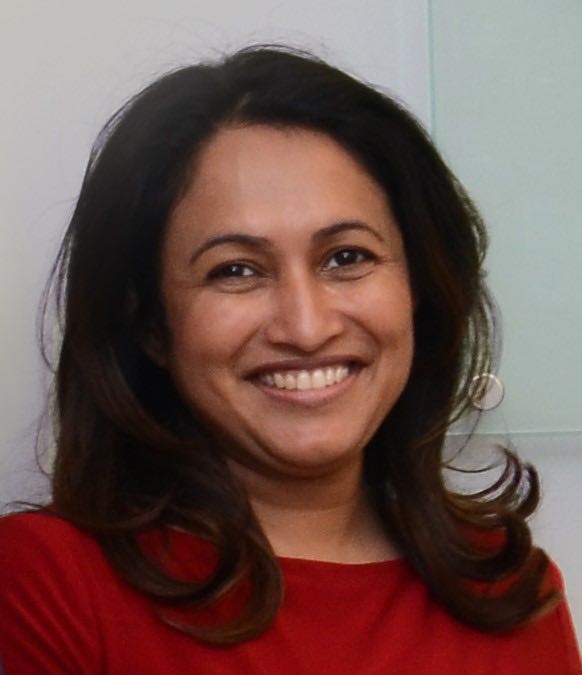
Kanjana Perera
MEET KANJANA PERERA
Kanjana is a scientist in the Brain Health and Stroke research program at PHRI, assistant professor, Medicine (neurology), McMaster University, and a stroke neurologist at Hamilton Health Sciences. Her main research focus is on secondary stroke prevention, cryptogenic stroke, and uncommon causes of stroke and the optimization of clinical care in this patient population.
What PHRI trials are you currently working on, and what health challenges or problems does your research aim to address?
I am currently leading the CATIS-ICAS trial, which is a global trial that focuses on patients with ischemic stroke caused by intracranial atherosclerotic disease, a condition associated with a particularly high risk of recurrent stroke. Stroke remains a leading cause of death and long-term disability worldwide, and optimal secondary prevention strategies for this high-risk group continue to evolve.
Our work aims to generate rigorous evidence to guide safer, more effective treatment approaches, with the broader goal of reducing recurrent stroke and improving long-term outcomes across diverse patient populations globally.
What does International Women’s Day represent for you personally and professionally?
International Women’s Day is deeply reflective for me. Personally, it represents gratitude, for the women who pursued education and leadership despite structural limitations, especially in contexts where opportunities were not equally distributed. Growing up in Sri Lanka and later continuing my training abroad, I have seen firsthand how access, mentorship, and encouragement can shape a woman’s trajectory.
Professionally, it is a reminder that equity in medicine and research is inseparable from equity in patient care. In stroke research, where outcomes are influenced by systems, access, and advocacy, representation matters. When women are at decision-making tables, designing trials, leading studies, shaping policy, the questions we ask become more inclusive, and the solutions more globally relevant. International Women’s Day reinforces my responsibility not only to advance science, but to create pathways for others to do the same.
How has the landscape for women in research changed since you began your career?
There has been meaningful progress. More women are entering medicine and neurology, more are serving as principal investigators, and more are contributing to high-impact, international collaborations. Importantly, discussions about mentorship, sponsorship, parental leave, authorship equity, and funding disparities are now visible and data-driven.
At the same time, in academic neurology/ stroke and clinical trials research, leadership and major funding remain disproportionately male-dominated. What feels different today is that these disparities are no longer invisible. There is greater transparency, more advocacy, and stronger networks of women supporting one another across institutions and countries. Having trained across different healthcare systems, I’ve also seen that progress varies globally, which underscores the need for continued structural reform, not just symbolic celebration.
What excites you most about the future of women in science and beyond?
What excites me most is the growing global perspective women are bringing to science. In stroke research, for example, addressing disparities in care between high-income and low- and middle-income countries requires diverse leadership and lived experience. Women scientists are increasingly bridging those gaps, integrating clinical rigor with equity-focused thinking.
I am especially inspired by early-career researchers who are unapologetically ambitious while also committed to mentorship, collaboration, and community impact. The future of science will not only be more diverse in who participates, but richer in the types of questions asked and the populations represented. That shift has the potential to transform not just research culture, but patient outcomes worldwide.