Women Behind the Research is a PHRI Q&A series published in recognition of International Women’s Day 2026. The series features PHRI researchers discussing the research they lead and contribute to, as well as their personal and professional reflections on International Women’s Day and careers in research.
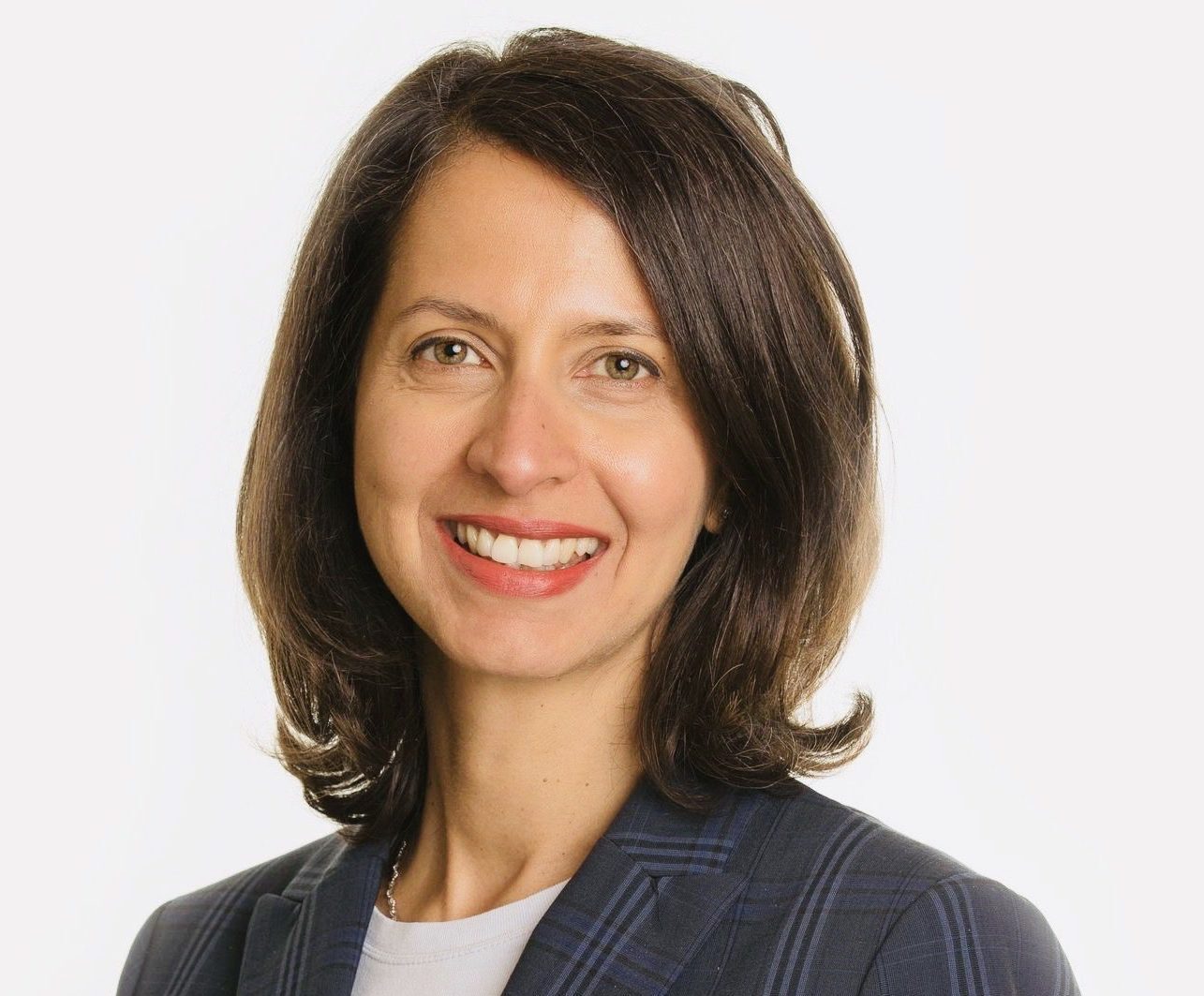
Harriette Van Spall
MEET HARRIETTE VAN SPALL
Harriette is a senior scientist at PHRI, associate professor in the Division of Cardiology, Department of Medicine, and associate member of the Department of Health Research Methods, Evidence, and Impact at McMaster University. She also serves as a cardiologist at Hamilton Health Sciences and is a scientist at the Research Institute of St. Joe’s, Hamilton.
What PHRI trials are you currently working on, and what health challenges or problems does your research aim to address?
I am leading the PACT, VICTORY, and the COACH AI programs to translate knowledge to care and improve outcomes in patients with cardiometabolic disease and heart failure. Mentorship is another strong component of this work. Some of us at PHRI also have leadership roles in drug or device trials that test new treatments for cardiovascular disease; in international working groups or councils that shape policy or practice; and in scientific knowledge dissemination via formal media roles. All of these roles are important as they allow us to collaborate and contribute broadly to science.
What does International Women’s Day represent for you personally and professionally?
This day represents the gains we have yet to realize in leveling the playing field – creating fair work environments, providing equal opportunity for career growth, and ensuring performance-based recognition for scientists regardless of their demographic. This is important to harness the strengths that so many incredible people have to offer but hold back on when their contributions are not matched with support. As a mentor, I want to see female mentees receive opportunities, strive successfully, collaborate, and contribute to the same extent as my male mentees; as a mother, I want the same for my daughter as my son.
What excites you most about the future of women in science and beyond?
I look forward to the day when we won’t have to speak about the role of women but see and recognize them as equally powerful contributors to science and medicine as men.