Women Behind the Research is a PHRI Q&A series published in recognition of International Women’s Day 2026. The series features PHRI researchers discussing the research they lead and contribute to, as well as their personal and professional reflections on International Women’s Day and careers in research.
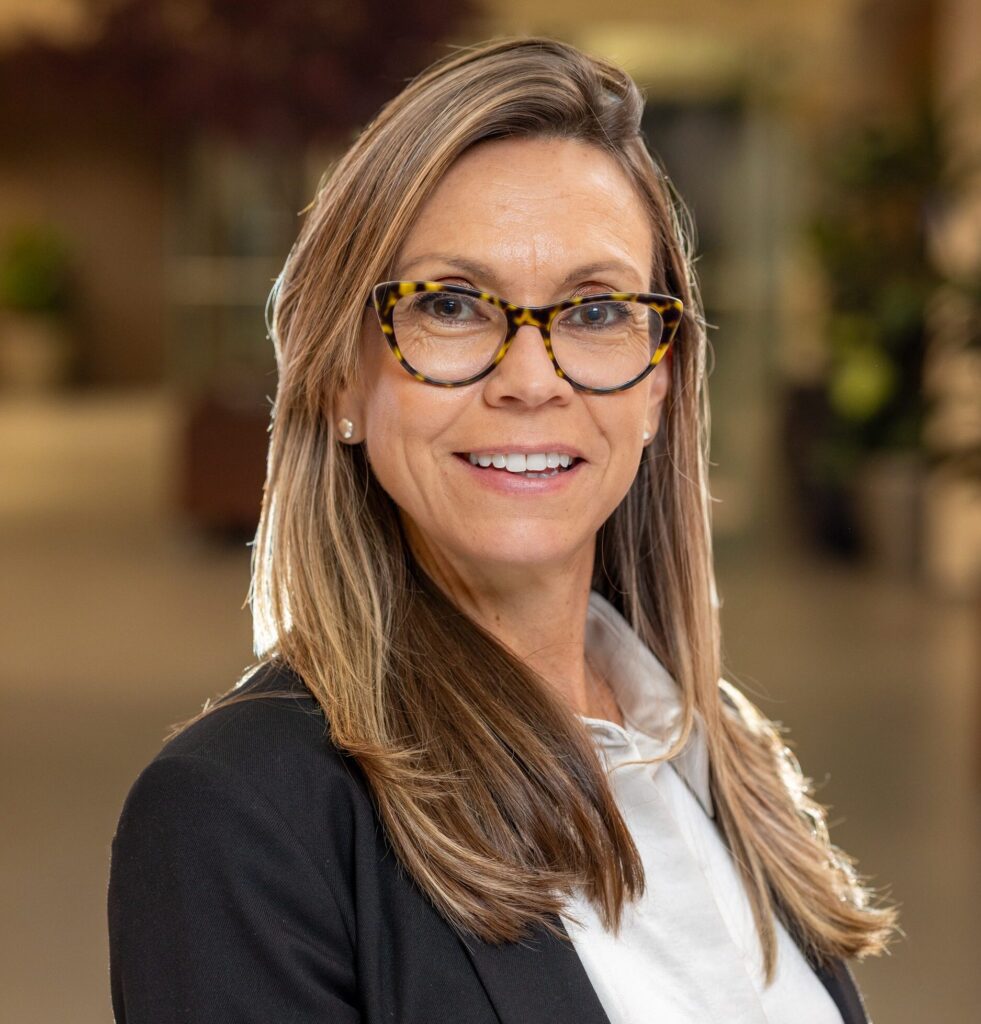
Flavia Borges
MEET FLAVIA BORGES
Flavia is a PHRI scientist and an internist and assistant professor in the Department of Medicine and the Perioperative Care Division at McMaster University. Her research is focused on perioperative cardiac biomarkers, and perioperative strategies to improve patient important outcomes in surgical patients, especially in hip fracture patients.
What PHRI trials are you currently working on, and what health challenges or problems does your research aim to address?
I am currently leading the HIP ATTACK 2 trial and serving as a key co-investigator in the PVC RAM 2 trial. The HIP ATTACK-2 trial aims to improve mortality and patient-important clinical outcomes in older adults suffering a fragility hip fracture. The intervention involves a multidisciplinary strategy designed to expedite clinical assessment and surgical care compared with the current standard of care. Hip fractures are a common and serious condition that disproportionately affect women, making improvements in their care particularly important for the health of the aging female population. In parallel, the PVC-RAM-2 trial is evaluating whether postoperative virtual care can improve recovery and clinical outcomes compared with standard postoperative care. This innovative approach seeks to facilitate a safer and smoother transition from hospital to home by providing continuous medical and nursing support through virtual care, allowing patients to recover in the comfort of their own homes while still receiving close clinical monitoring.
What does International Women’s Day represent for you personally and professionally?
International Women’s Day is a celebration of the achievements of women around the world and a reminder of the immense potential that still lies ahead. It is an opportunity to recognize the contributions women have made across all fields and to reaffirm our commitment to advancing a fair and inclusive society, one where equal opportunity allows everyone to thrive and contribute fully.
How has the landscape for women in research changed since you began your career?
Over the past 25 years since I began my medical career, I have witnessed a remarkable transformation in the landscape for women in research. Opportunities for training, mentorship, and research funding have expanded, opening doors that were once far more difficult to access. Even more inspiring is the growing presence of exceptional women who have become powerful role models, demonstrating through their leadership, creativity, and perseverance that women bring perspectives that are both unique and essential to the research environment. Their achievements continue to inspire the next generation and remind us that diversity of thought is not only valuable, it is fundamental to advancing science and improving the world around us.
What excites you most about the future of women in science and beyond?
It is encouraging and exciting to see that the future for women in science, and in many other fields, is increasingly expansive, offering unprecedented opportunities to contribute, lead, and drive meaningful change.