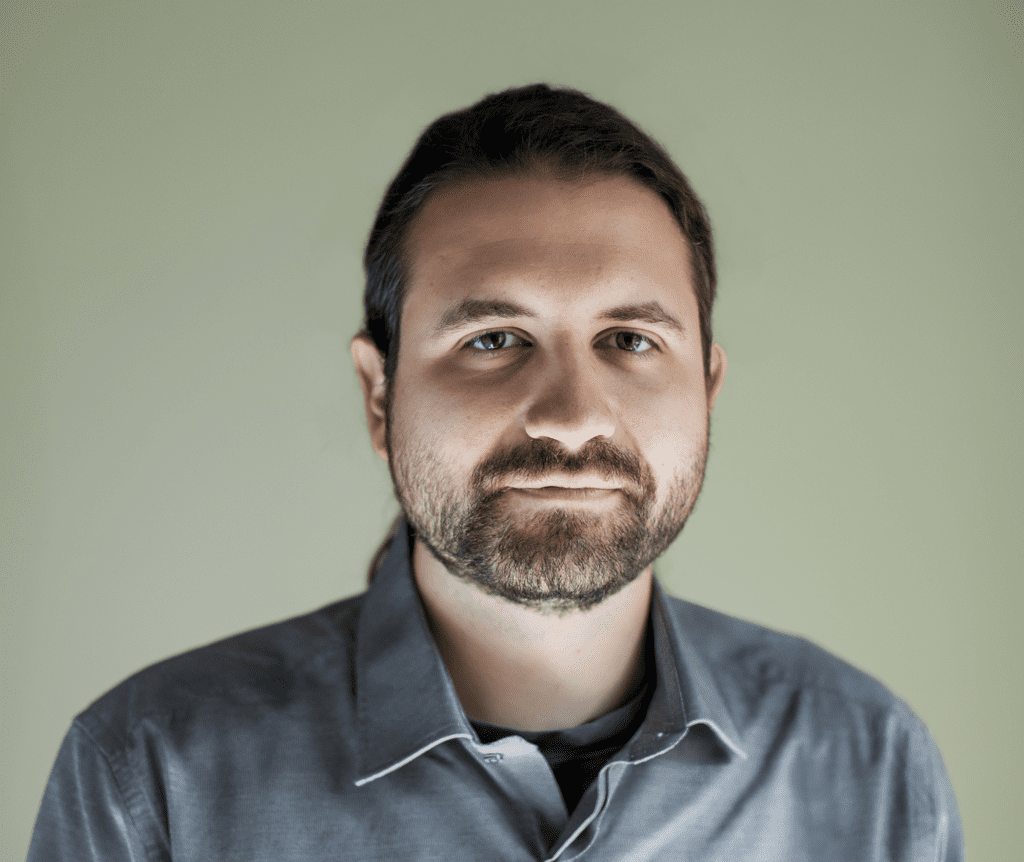
Aristeidis Katsanos
PHRI researchers are studying whether a simple, low‑cost change in care could improve recovery and reduce long‑term disability after stroke in people who undergo endovascular thrombectomy (EVT), a procedure that removes a blood clot from a blocked brain artery to restore blood flow.
“Although EVT has revolutionized the treatment of severe ischemic stroke, nearly half of patients still experience significant disability despite successful clot removal,” said Aristeidis Katsanos, principal investigator of the study and PHRI scientist.
Co-led by Katsanos and senior scientist Mike Sharma, HoBIT is testing whether keeping a patient’s head flat at 0 degrees after thrombectomy leads to better recovery than raising the head of the bed to 30 degrees or higher. Researchers believe this simple positioning may help improve blood flow to the healing brain.
“We aim to find out whether a simple intervention, how we position a patient’s head after thrombectomy, can improve blood flow to the recovering brain and enhance recovery,” Katsanos added. “If effective, this low-cost strategy could be rapidly implemented in stroke centres around the world.”
The trial includes 1,850 participants aged 18 and older from eight countries across Asia, Australia, Europe, and North America. Researchers will measure functional recovery at 90 days and assess early neurological changes, quality of life, and safety events.
The trial received $1,028,925 over three years in funding by the Canadian Institutes of Health Research.