For people living with atrial fibrillation, the risk of stroke is always present. Doctors often prescribe anticoagulant medications to lower the risk of stroke resulting from clotting in the heart. But for patients who have already suffered a brain bleed, while anticoagulants can reduce this risk, they can also increase the risk of stroke from bleeding in the brain.
Because of that risk, many people with atrial fibrillation who have had a brain bleed are treated cautiously, often with antiplatelet drugs, or sometimes with no medication at all. That approach may lower the risk of bleeding, but it could leave patients vulnerable to stroke from clotting in the heart.
The ENRICH-AF trial is exploring whether it’s safe and effective for people with atrial fibrillation who have had a brain bleed to take anticoagulant medications.

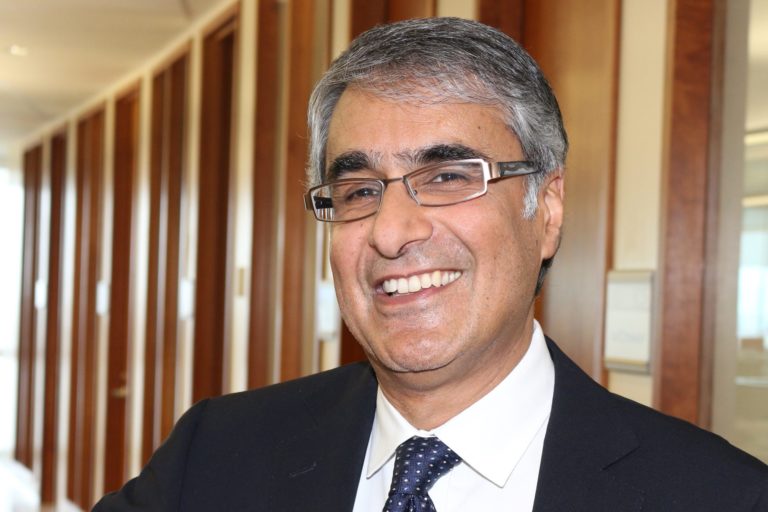
Ashkan Shoamanesh
PHRI researchers are studying whether edoxaban, a widely available oral anticoagulant, can lower the risk of all strokes (those arising from either clotting or bleeding in the brain) more effectively than antiplatelet therapy or no treatment, without increasing the risk of major bleeding. Edoxaban works by blocking factor Xa, a key protein involved in blood clot formation.
Led by PHRI senior scientist Ashkan Shoamanesh, the trial includes 947 patients from 20 countries around the world. Participants are randomly assigned to one of two groups: one receives standard dosing edoxaban 60 mg daily (dose adjusted to 30 mg once daily), while the other receives standard medical care, which may include antiplatelet therapy or no antithrombotic treatment.
By comparing these approaches, the study aims to provide clearer answers for patients and clinicians on how to lower stroke risk after a brain hemorrhage without causing harm.
“This global trial addresses a pressing unmet need in stroke care, how to safely prevent ischemic stroke (from clotting) in patients with atrial fibrillation who have survived intracranial hemorrhage,” said Shoamanesh. “By rigorously evaluating anticoagulation in this high-risk population, ENRICH-AF has the potential to fundamentally change clinical practice and improve outcomes for patients worldwide.”
Top‑line results from the ENRICH‑AF trial are expected to be shared at an international scientific meeting later this year.