When someone has an ischemic stroke (a stroke caused by a blood clot), intravenous thrombolysis (IVT), a clot‑busting drug, can be a life‑changing treatment. Given soon after symptoms begin, IVT can restore blood flow to the brain, limit brain damage, and improve recovery and independence.
However, many stroke patients are already taking direct oral anticoagulants (DOACs), medications used to reduce the risk of harmful blood clot. Because of concerns about serious bleeding, doctors are cautious about giving IVTs to patients who have recently taken DOACs.

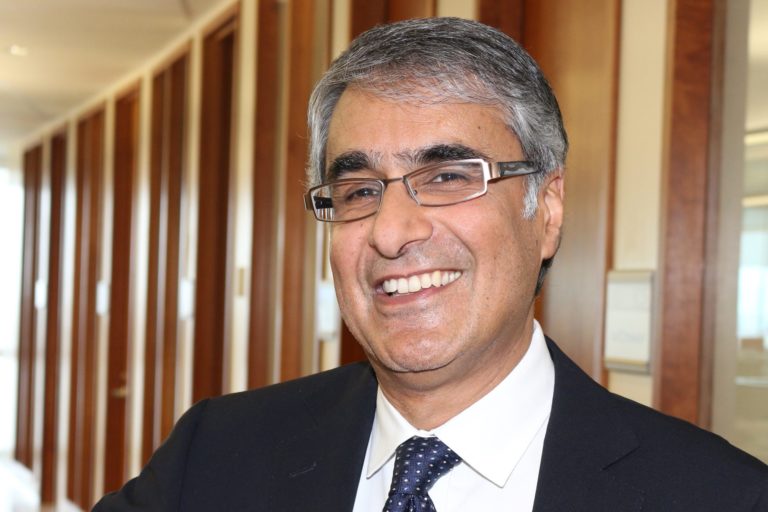
Luciana Catanese
DO‑IT (Direct Oral Anticoagulants and Intravenous Thrombolysis) is the first randomized clinical trial designed to test whether it’s safe and helpful to give IVT to patients with acute ischemic stroke who recently took a DOAC.
“The DO-IT trial addresses one of the most pressing unanswered questions in acute stroke care: whether patients taking DOACs can safely receive life-saving clot-busting treatment” said Luciana Catanese, principal investigator of the study and PHRI investigator.
Co-led by Catanese, senior scientist Ashkan Shoamanesh and scientist Aristeidis Katsanos, the trial will involve 906 patients from 15 countries who have had an acute ischemic stroke and recently used a DOAC. Participants are randomly assigned to either receive IVT (alteplase or tenecteplase) plus standard medical care or standard medical care only
“As the number of patients on these medications continues to grow worldwide, this trial has the potential to change practice and expand access to a therapy that can dramatically improve stroke recovery.”
The DO‑IT trial is supported by $546,976 in funding from the Canadian Institutes of Health Research over three years and is sponsored by Inselspital, University Hospital Bern.